
-
Ayur Chai (With Eight Exotic Herbal Spices) - 250 Gms Jar
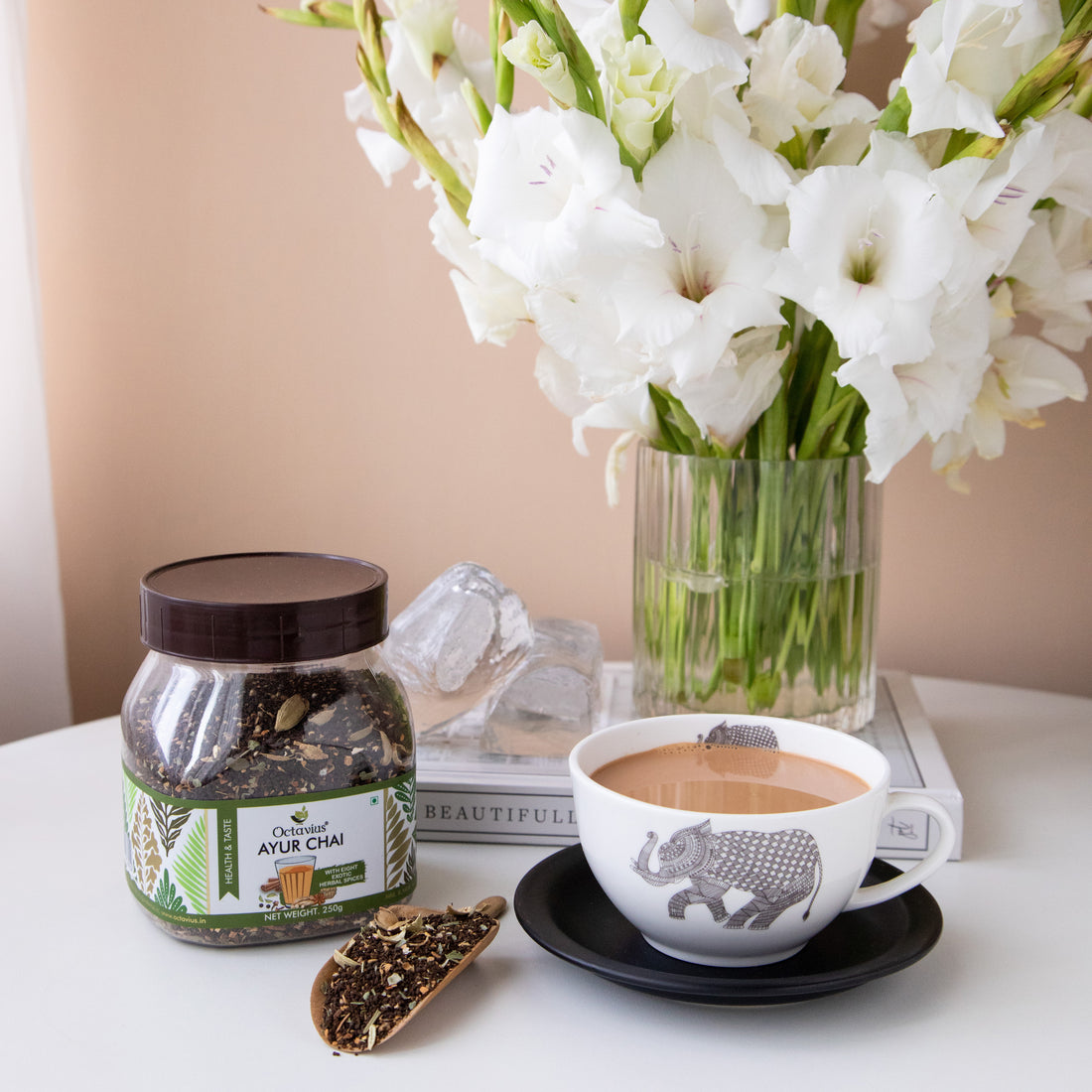
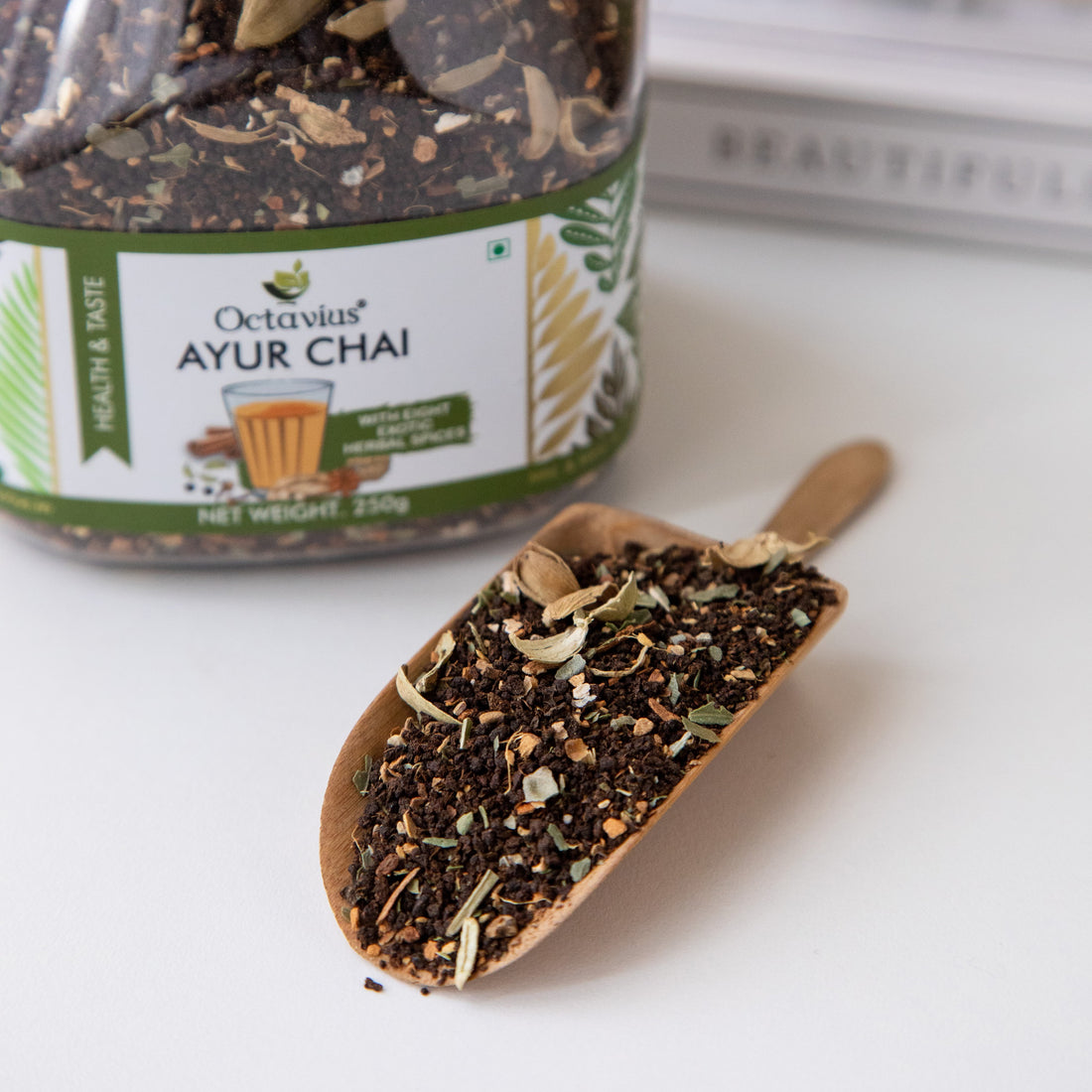 Vendor:Ayur Chai (With Eight Exotic Herbal Spices) - 250 Gms JarOctavius
- Regular price
-
₹249.00 - Regular price
-
₹300.00 - Sale price
-
₹249.00
BestsellerQuick view
-
Octavius Gold CTC - 250gms in Jar
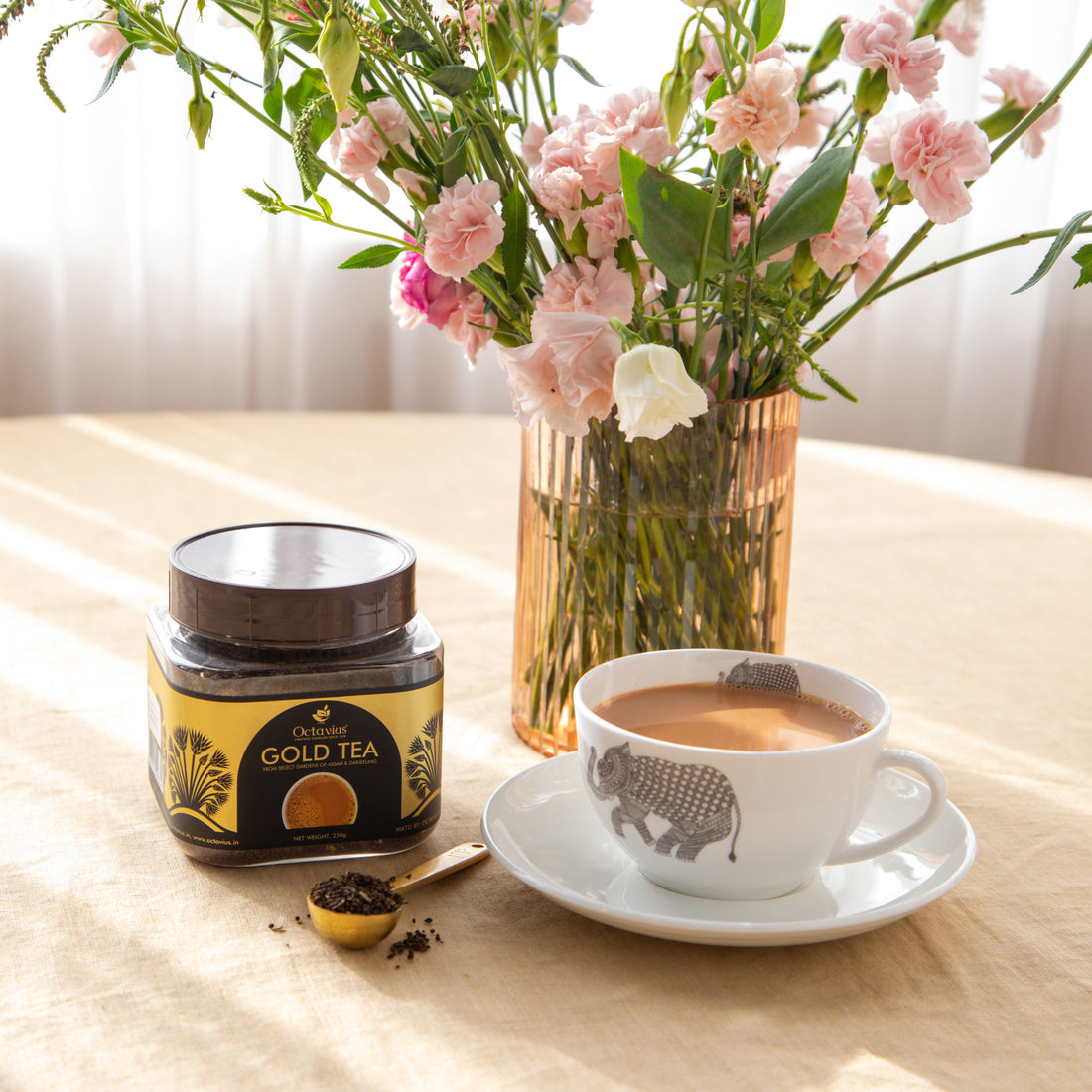
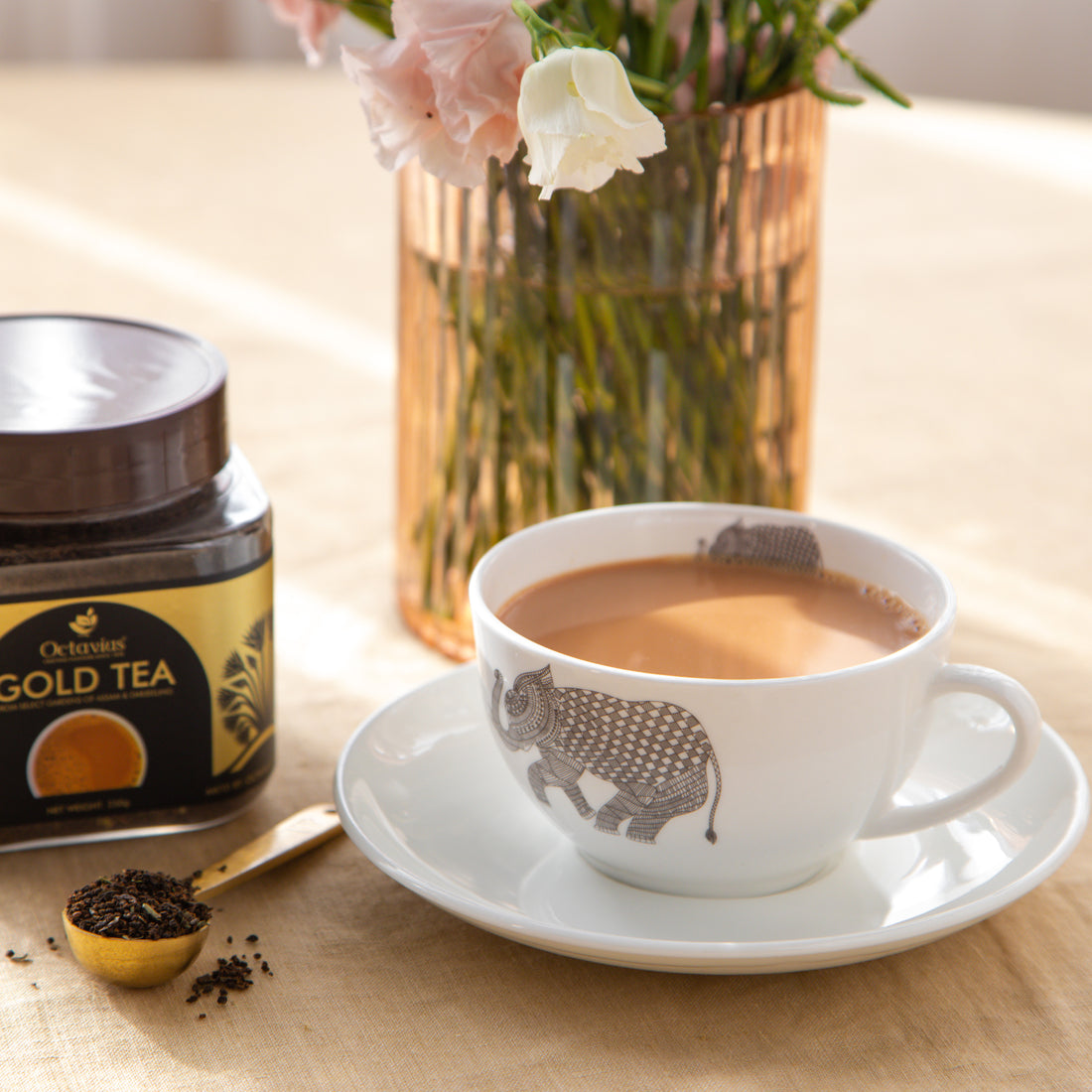 Vendor:Octavius Gold CTC - 250gms in JarOctavius
- Regular price
-
₹135.00 - Regular price
-
₹150.00 - Sale price
-
₹135.00
Quick view
-
Premium CTC Black Tea - 1Kg
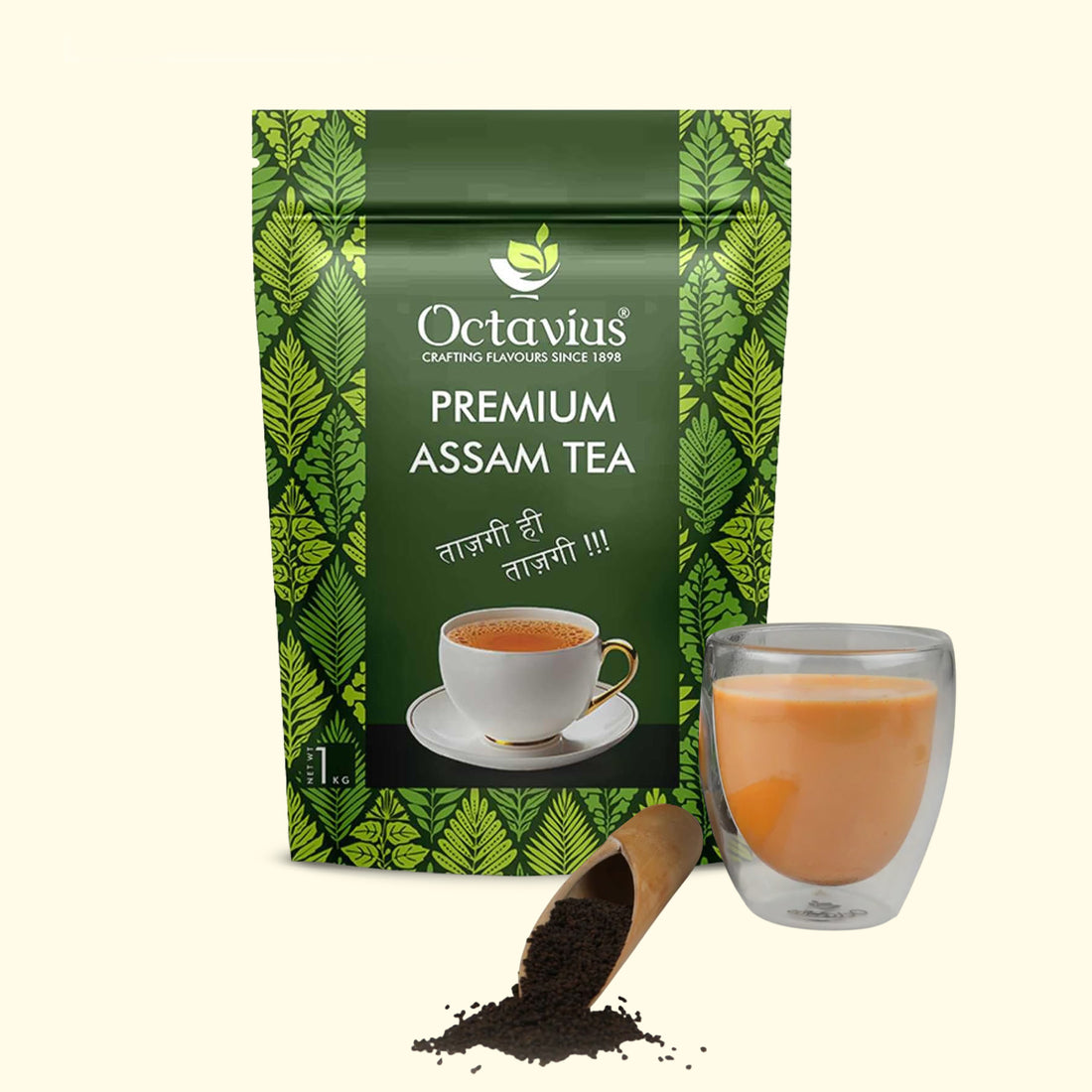
 Vendor:Premium CTC Black Tea - 1Kg1 Kg
- Regular price
-
₹369.00 - Regular price
-
₹490.00 - Sale price
-
₹369.00
Quick view
-
Kadak Assam CTC Black Tea- 1 Kg
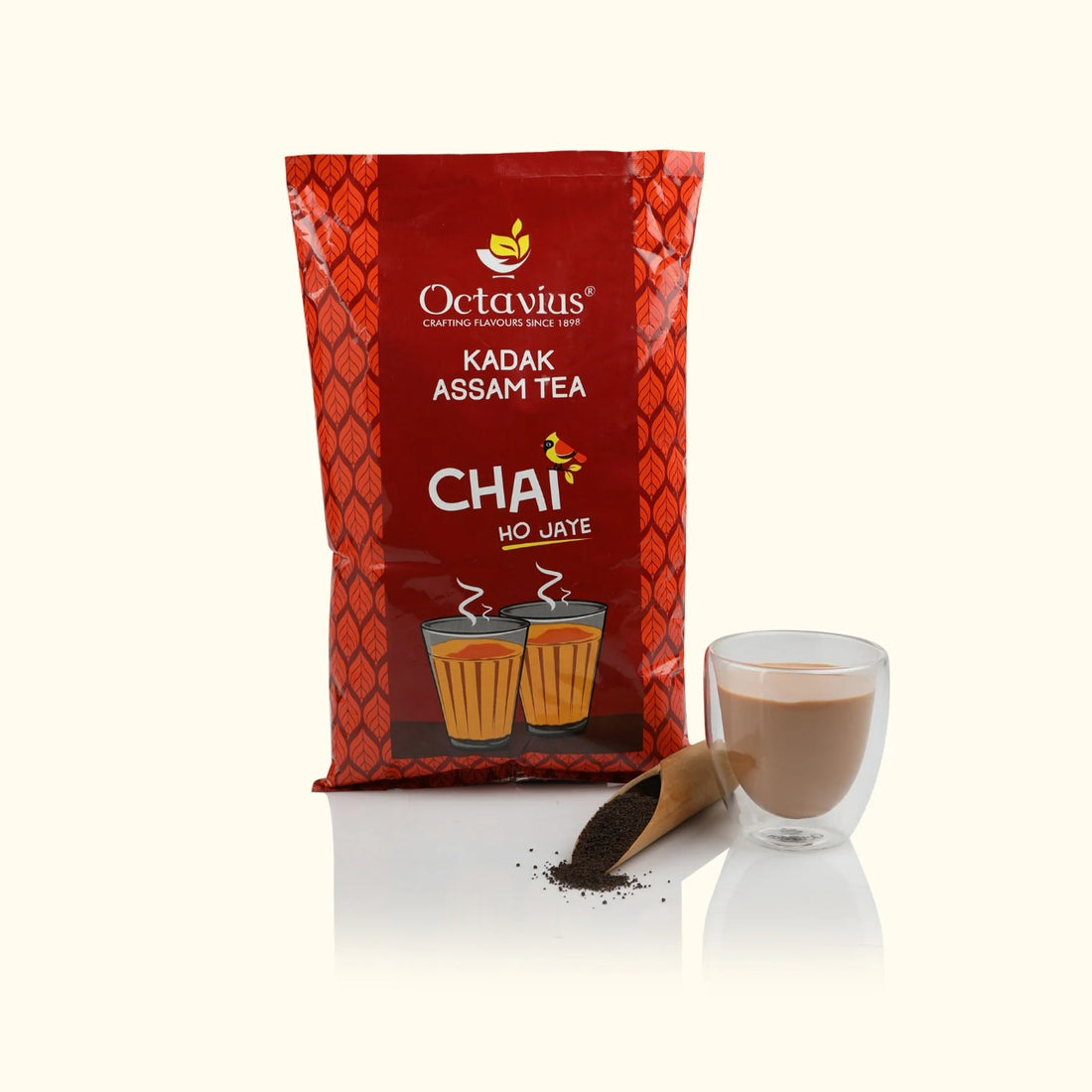
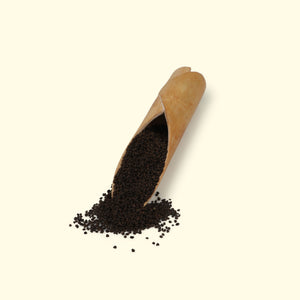 Vendor:Kadak Assam CTC Black Tea- 1 KgOctavius
- Regular price
-
₹279.00 - Regular price
-
₹300.00 - Sale price
-
₹279.00
Quick view
-
Gold CTC Chai - 500 Gms
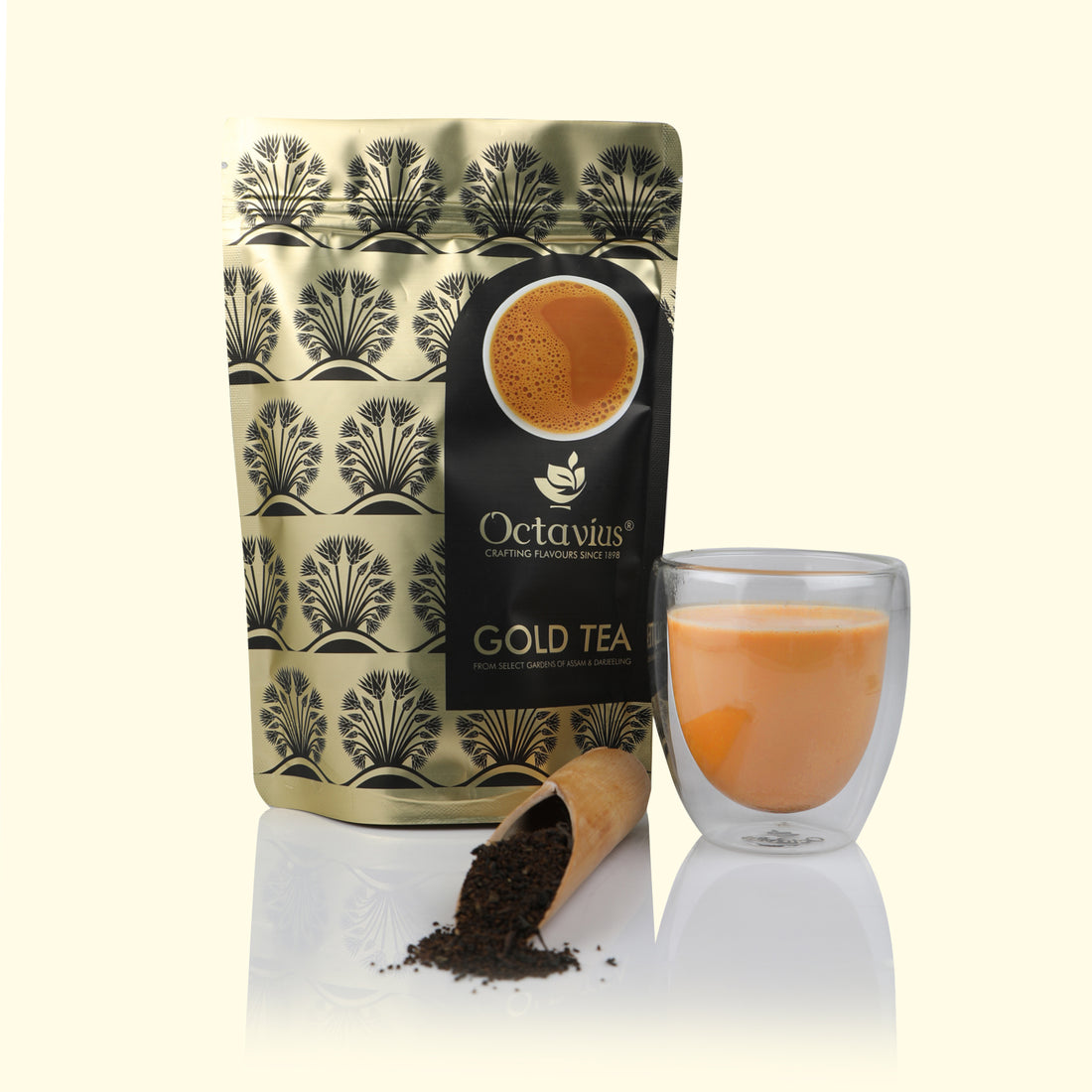
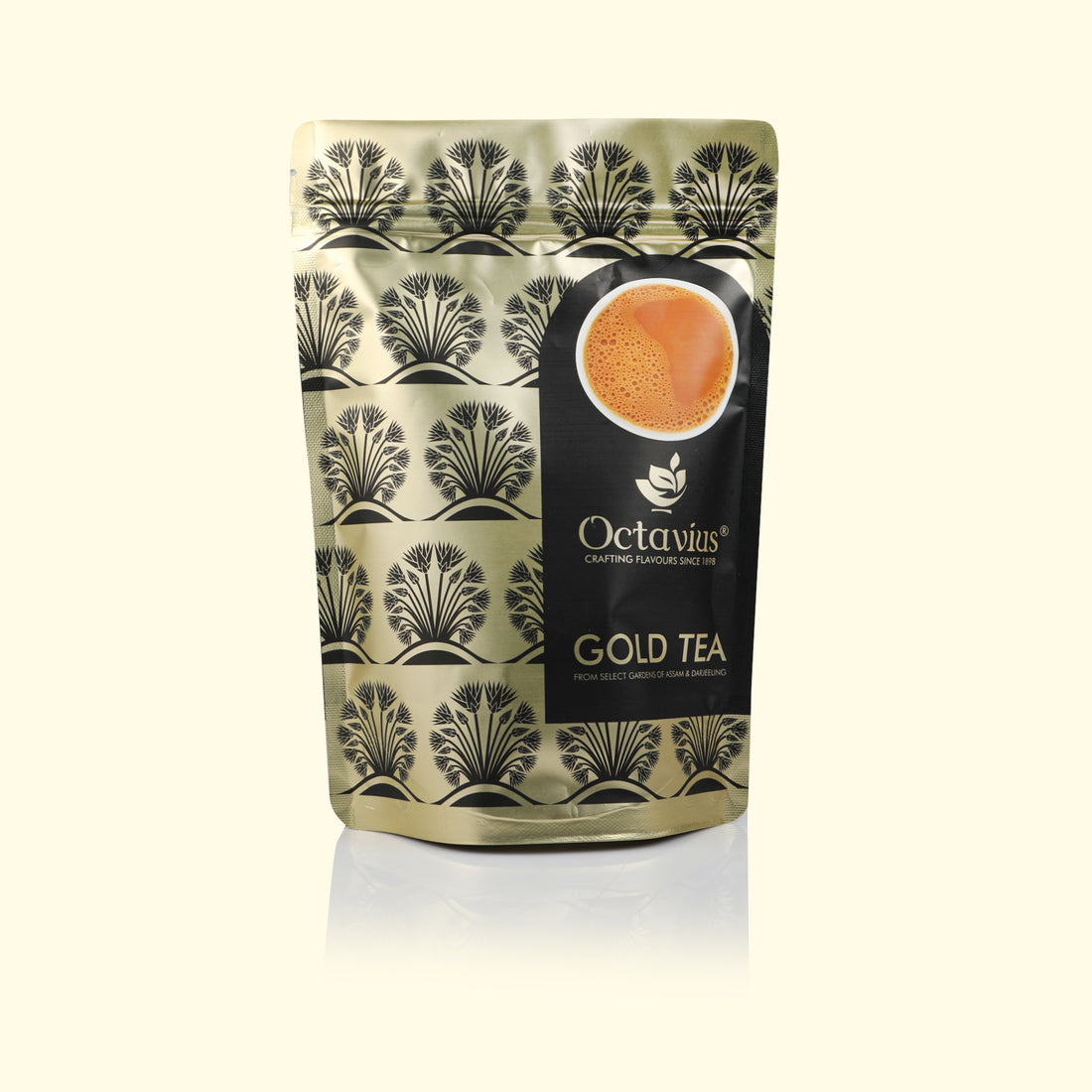 Vendor:Gold CTC Chai - 500 Gms500gms
- Regular price
-
₹270.00 - Regular price
-
₹300.00 - Sale price
-
₹270.00
Quick view
-
Premium CTC Black Tea - 500 gms
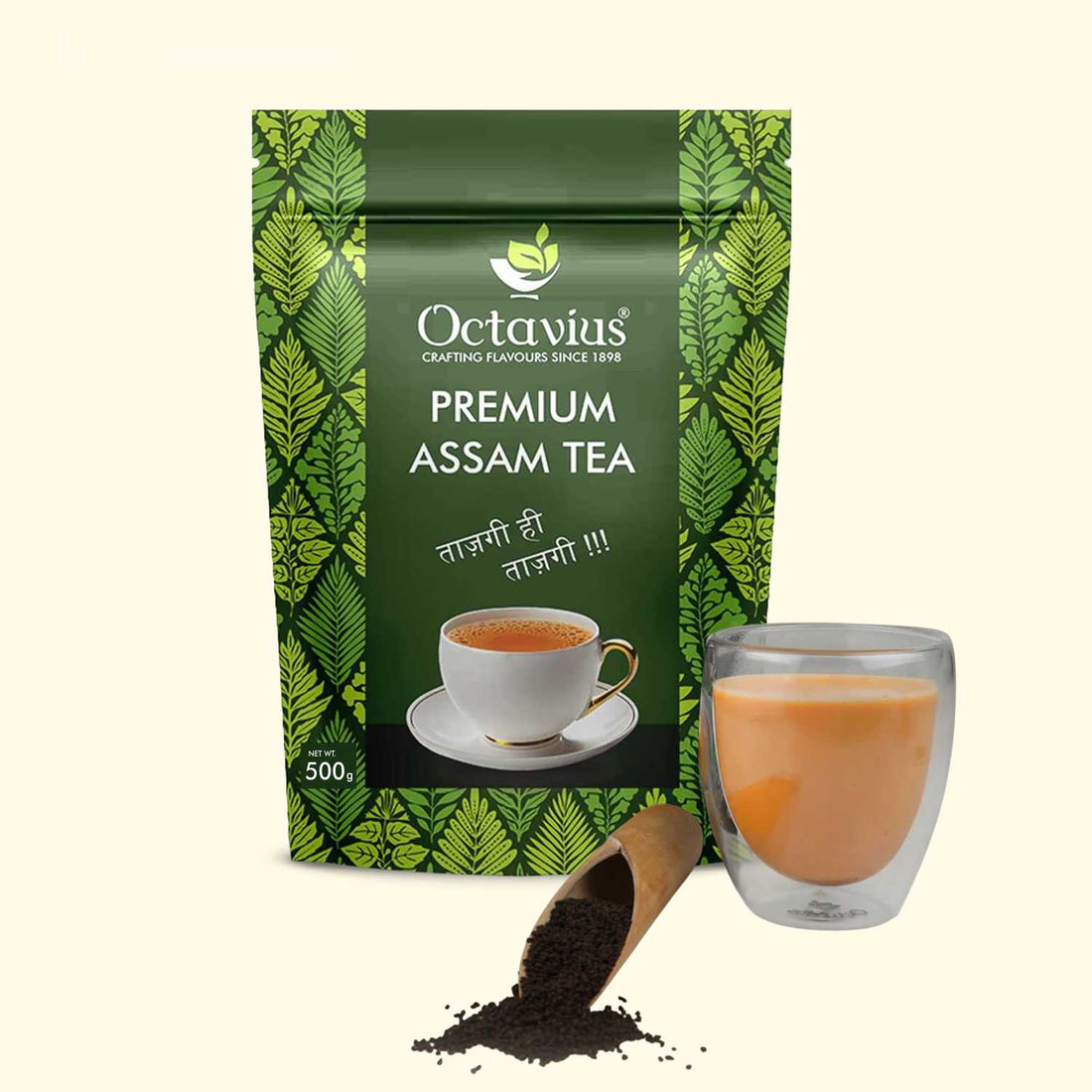
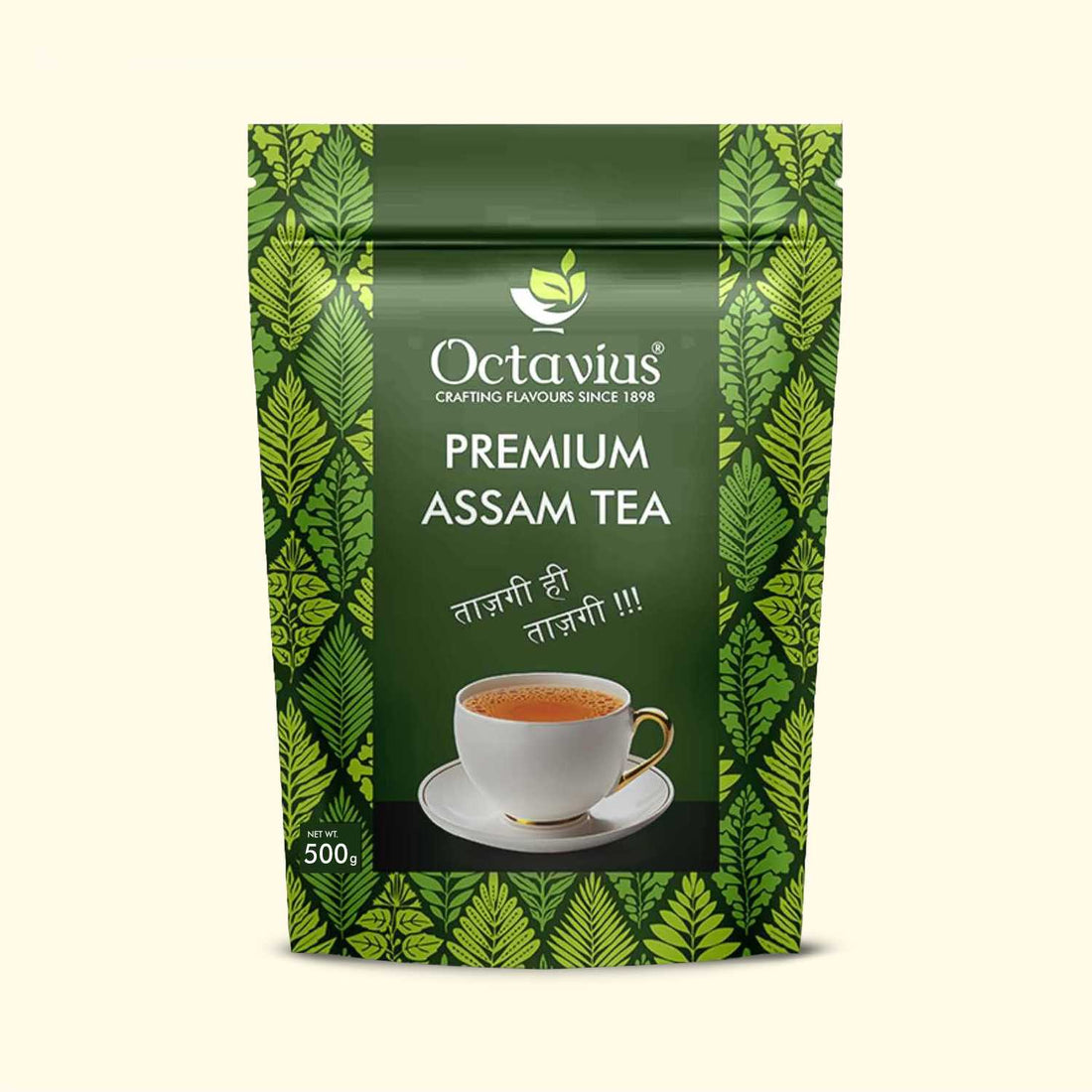 Vendor:Premium CTC Black Tea - 500 gmsOctavius
- Regular price
-
₹225.00 - Regular price
-
₹250.00 - Sale price
-
₹225.00
Quick view
-
Kadak Elaichi CTC Black Tea 1- kg
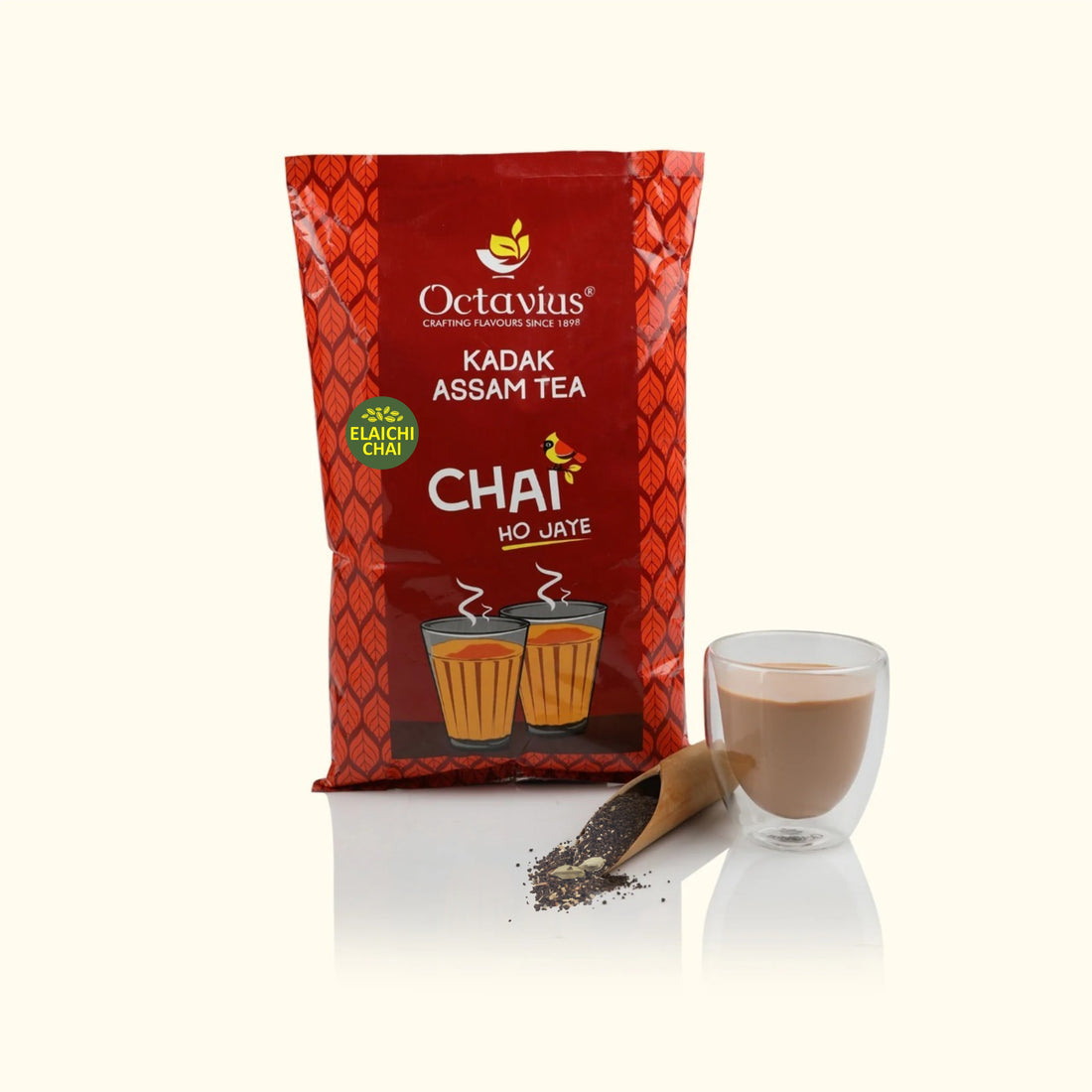
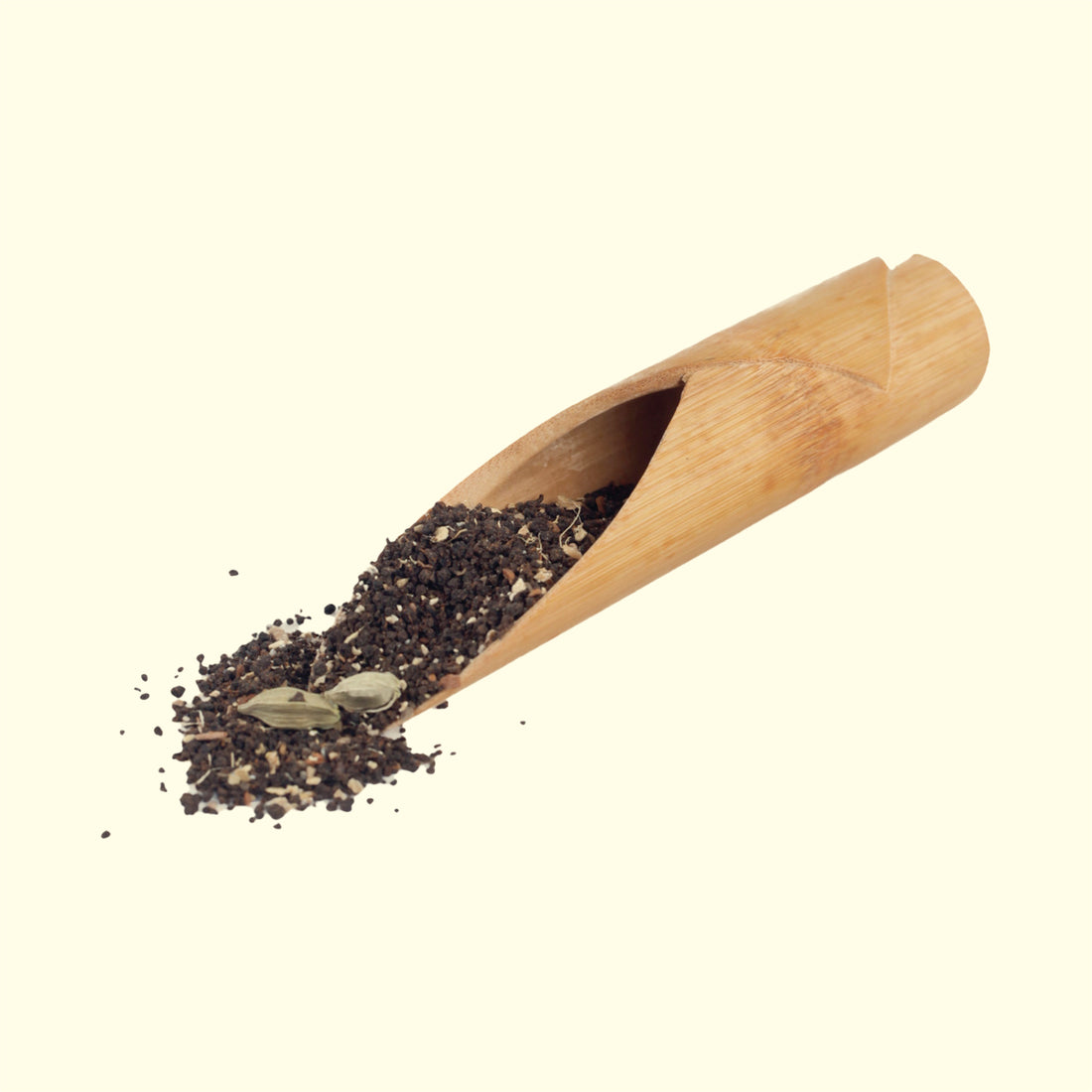 Vendor:Kadak Elaichi CTC Black Tea 1- kg1 Kg
- Regular price
-
₹389.00 - Regular price
-
₹490.00 - Sale price
-
₹389.00
Quick view
-
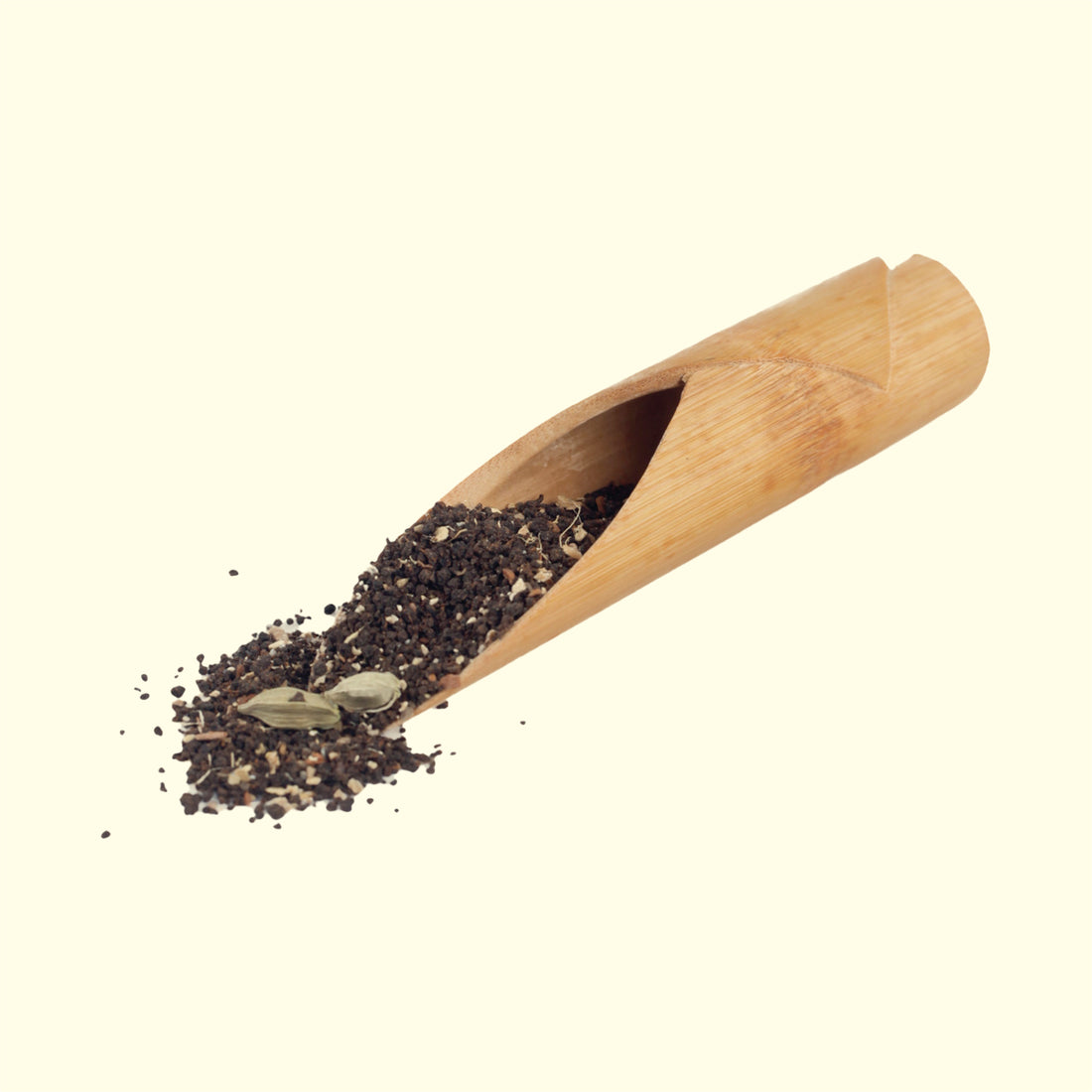
Kadak Masala CTC Black Tea - 1 Kg
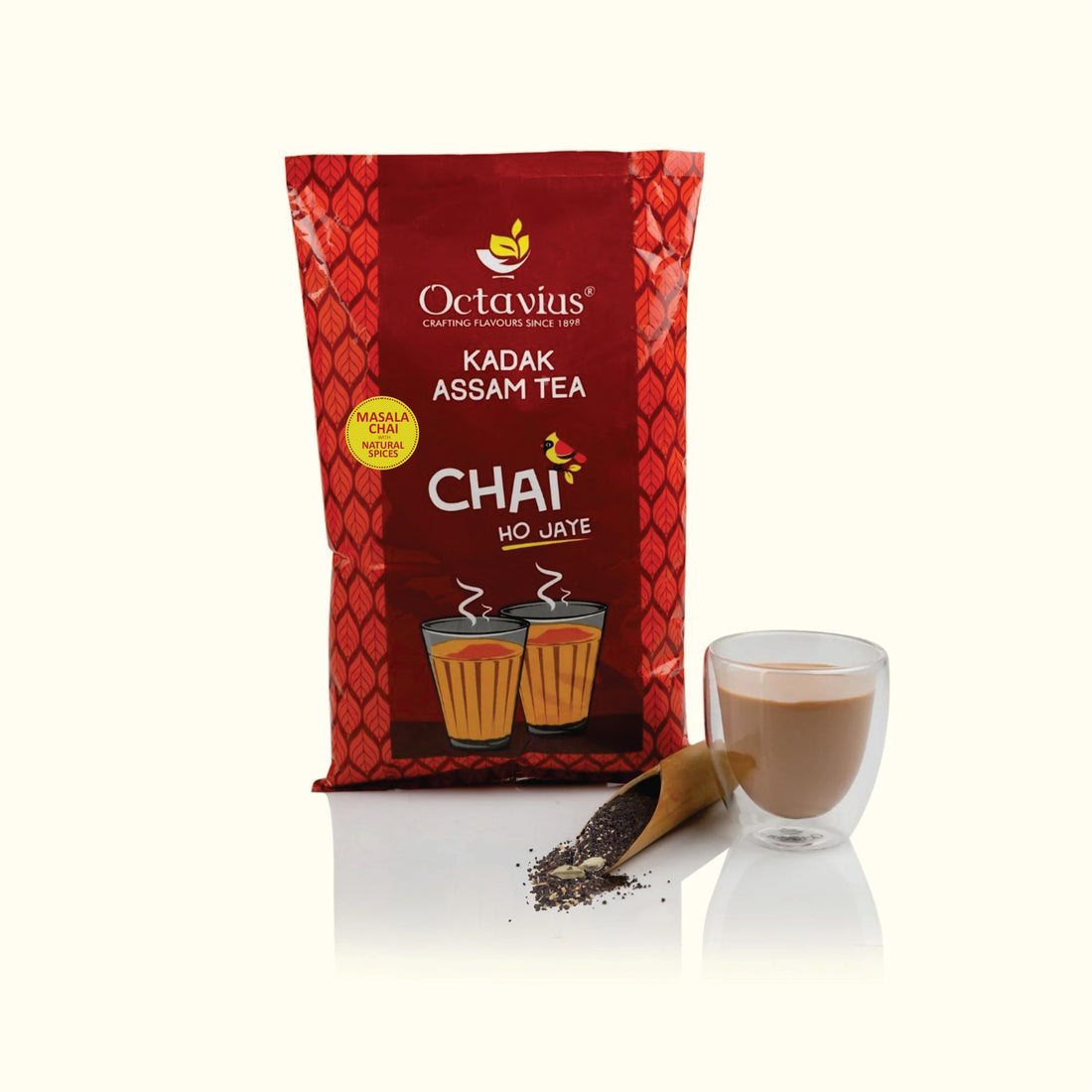
 Vendor:Kadak Masala CTC Black Tea - 1 KgOctavius
- Regular price
-
₹441.00 - Regular price
-
₹490.00 - Sale price
-
₹441.00
Quick view
-
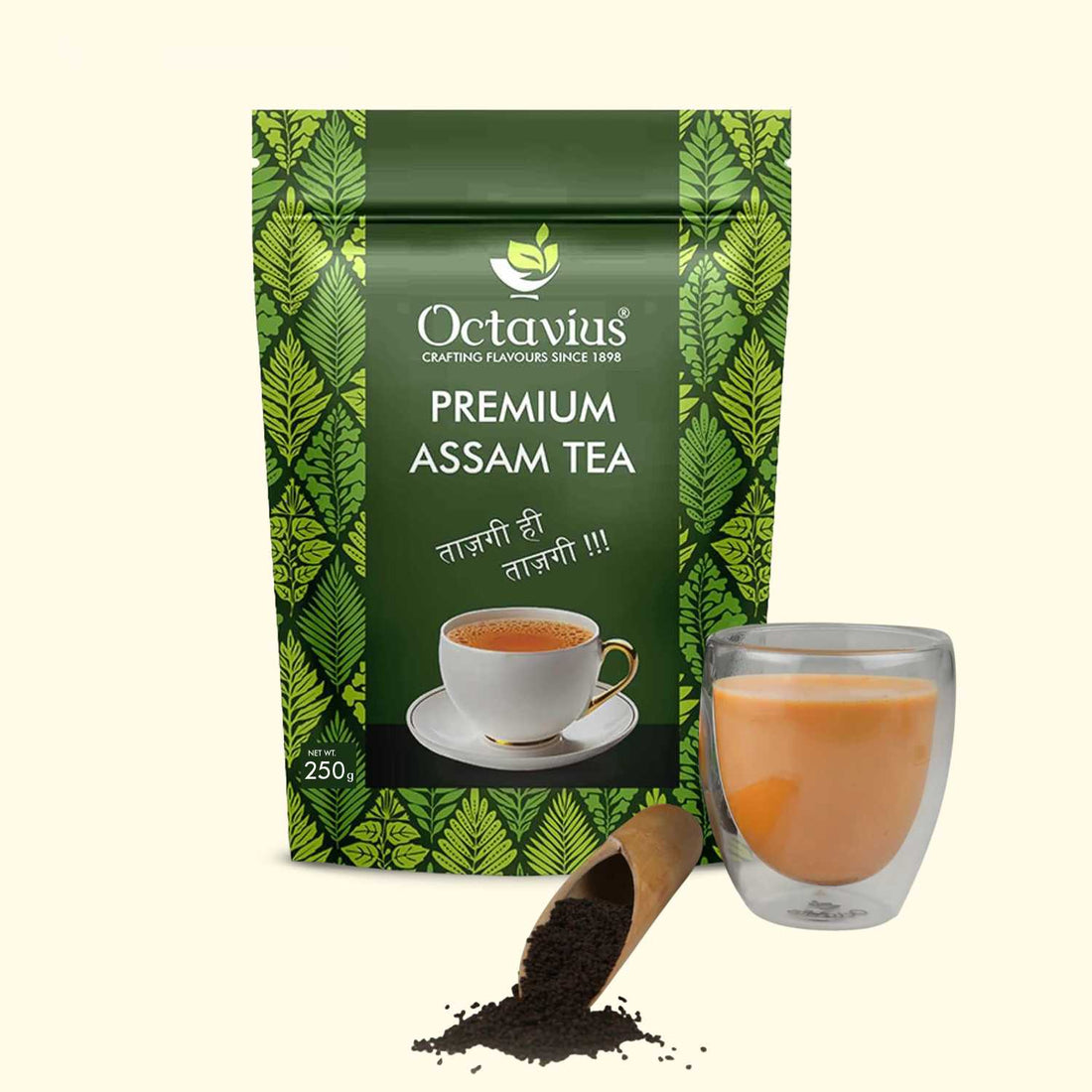
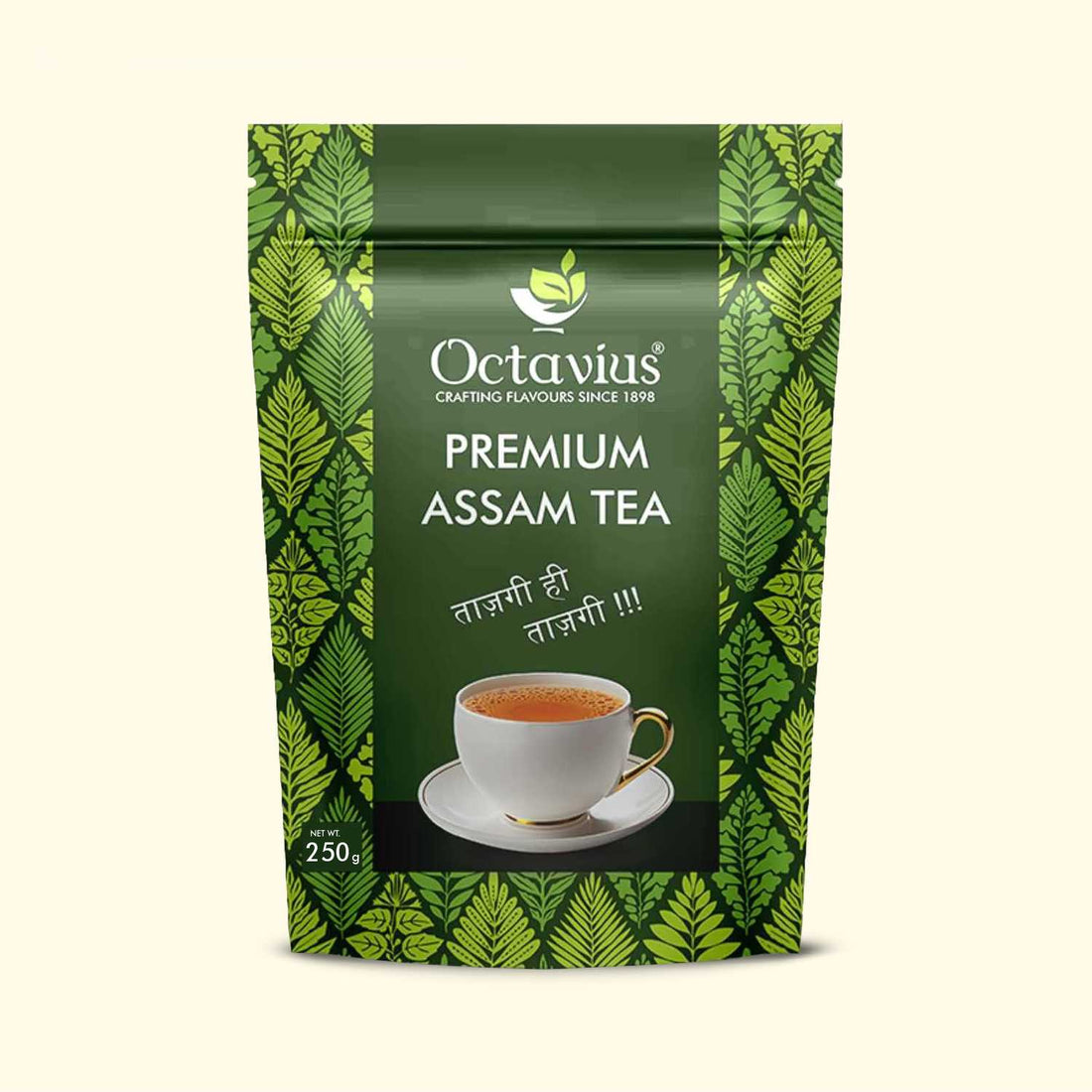
Premium CTC Black Tea - 250 Gms
 Vendor:Premium CTC Black Tea - 250 Gms250 Gms
- Regular price
-
₹112.50 - Regular price
-
₹125.00 - Sale price
-
₹112.50
Quick view
-
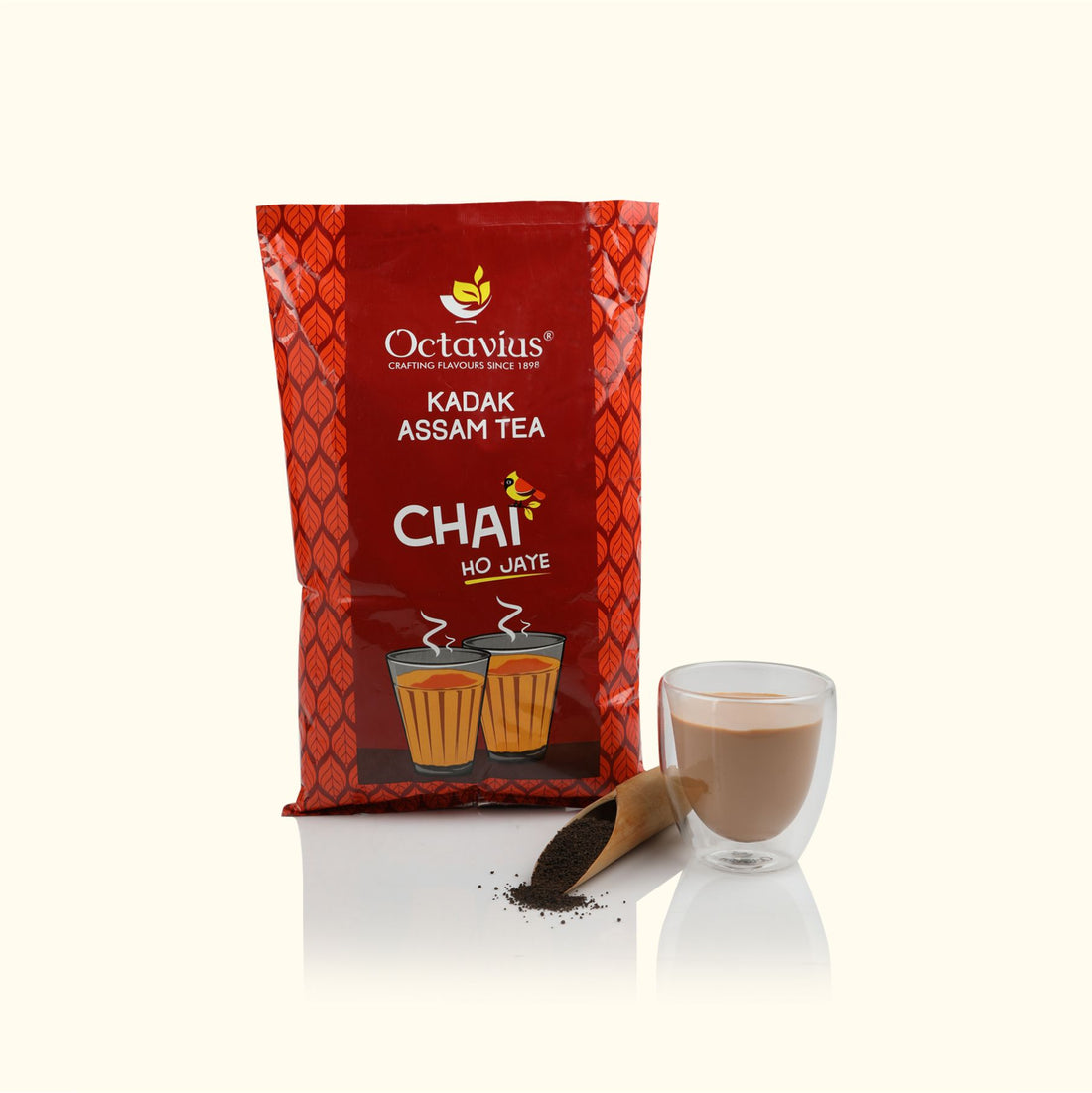
Kadak Assam CTC Black Tea - 250 Gms
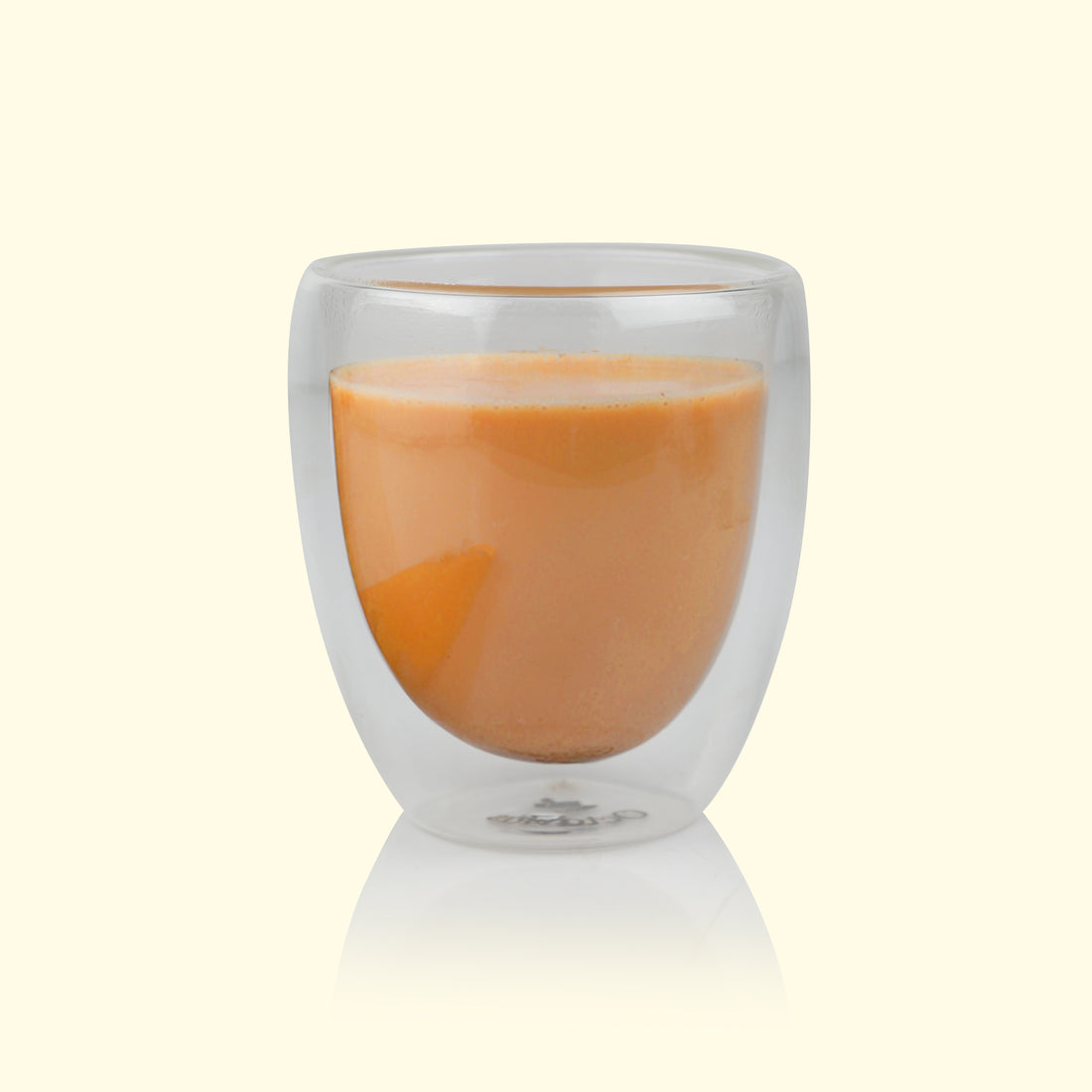 Vendor:Kadak Assam CTC Black Tea - 250 Gms250 Gms
- Regular price
-
₹69.00 - Regular price
-
₹80.00 - Sale price
-
₹69.00
Quick view
-
Gold CTC Black Tea - 250 Gms
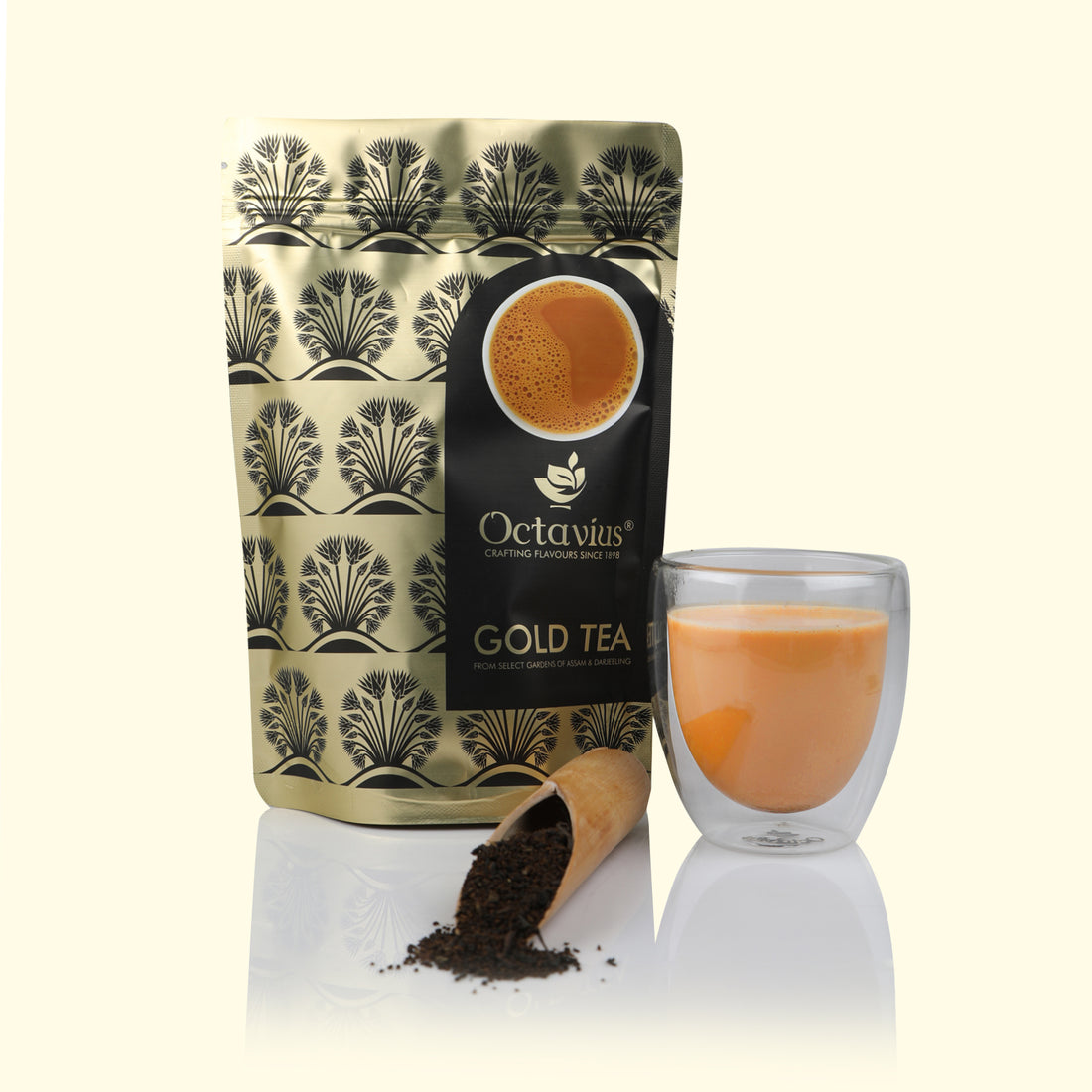
 Vendor:Gold CTC Black Tea - 250 Gms250 Gms
- Regular price
-
₹135.00 - Regular price
-
₹150.00 - Sale price
-
₹135.00
Quick view
-
CTC Masala Chai Loose leaf - 250 Gms Jar
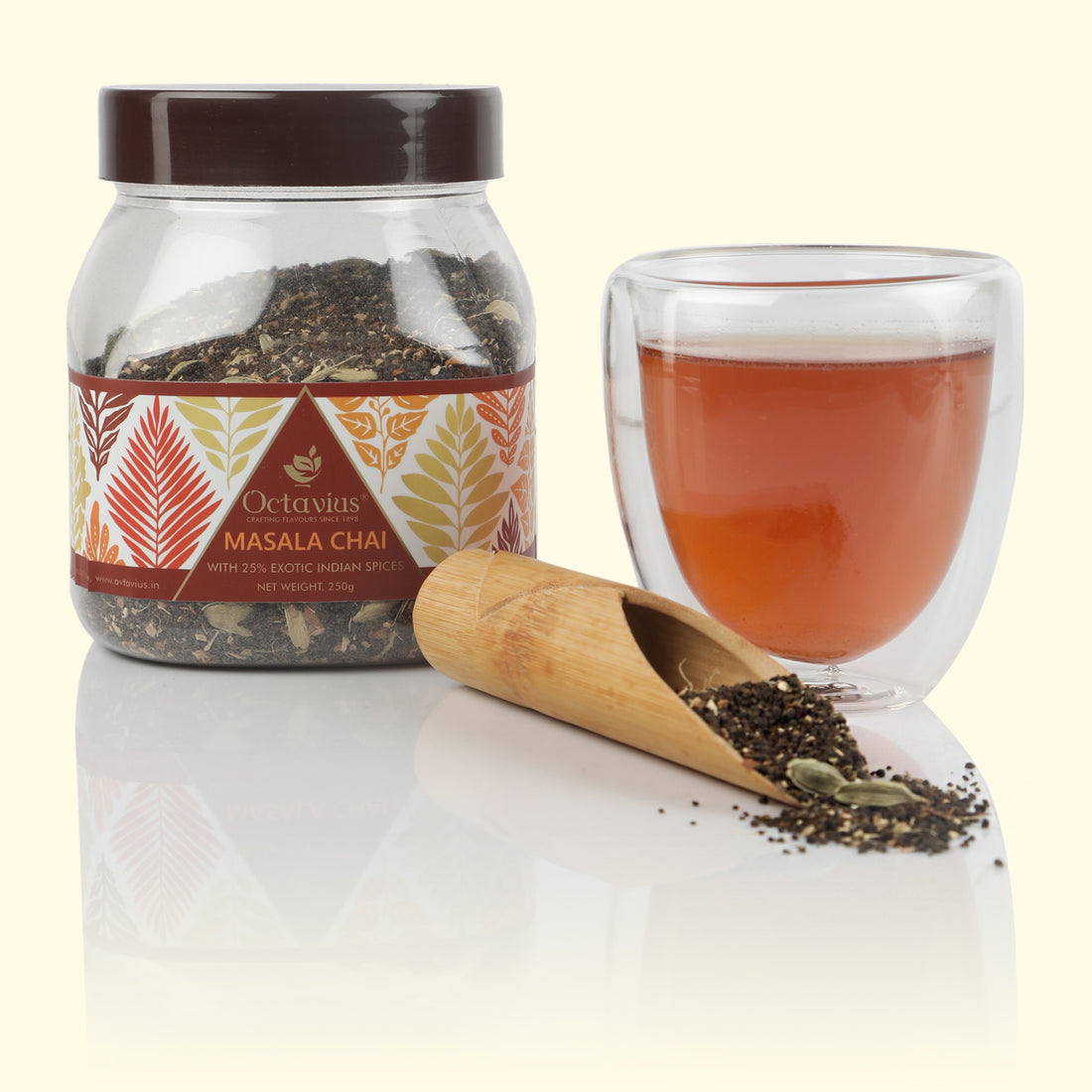
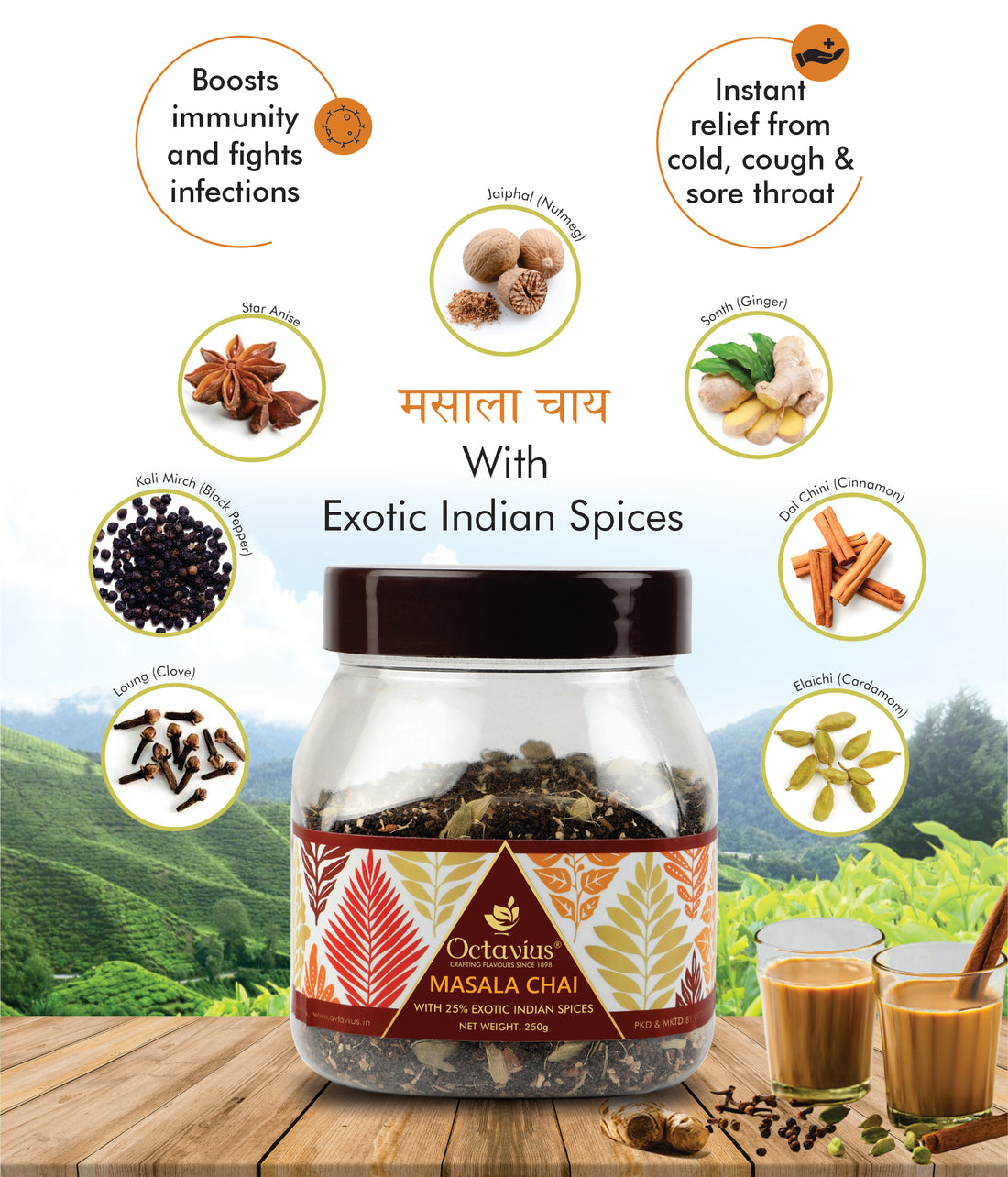 Vendor:CTC Masala Chai Loose leaf - 250 Gms Jar250 Gms Jar
- Regular price
-
₹249.00 - Regular price
-
₹300.00 - Sale price
-
₹249.00
BestsellerQuick view
-
Kadak Elaichi CTC Black Tea 1 - kg ( PACK OF 2 )
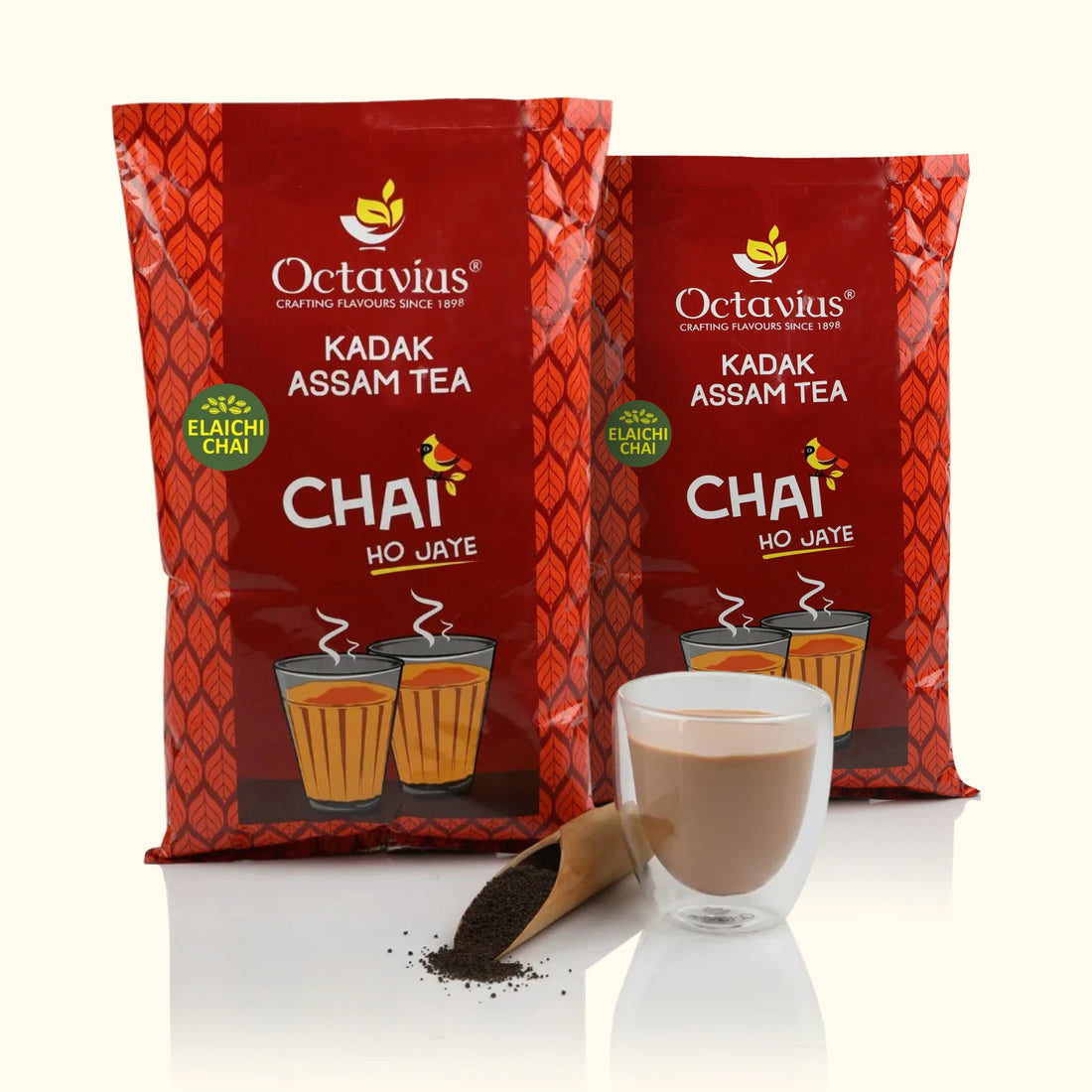 Vendor:Kadak Elaichi CTC Black Tea 1 - kg ( PACK OF 2 )1 Kg
- Regular price
-
₹833.00 - Regular price
-
₹980.00 - Sale price
-
₹833.00
Quick view
-
Premium CTC Black Tea - 1Kg ( PACK OF 2 )
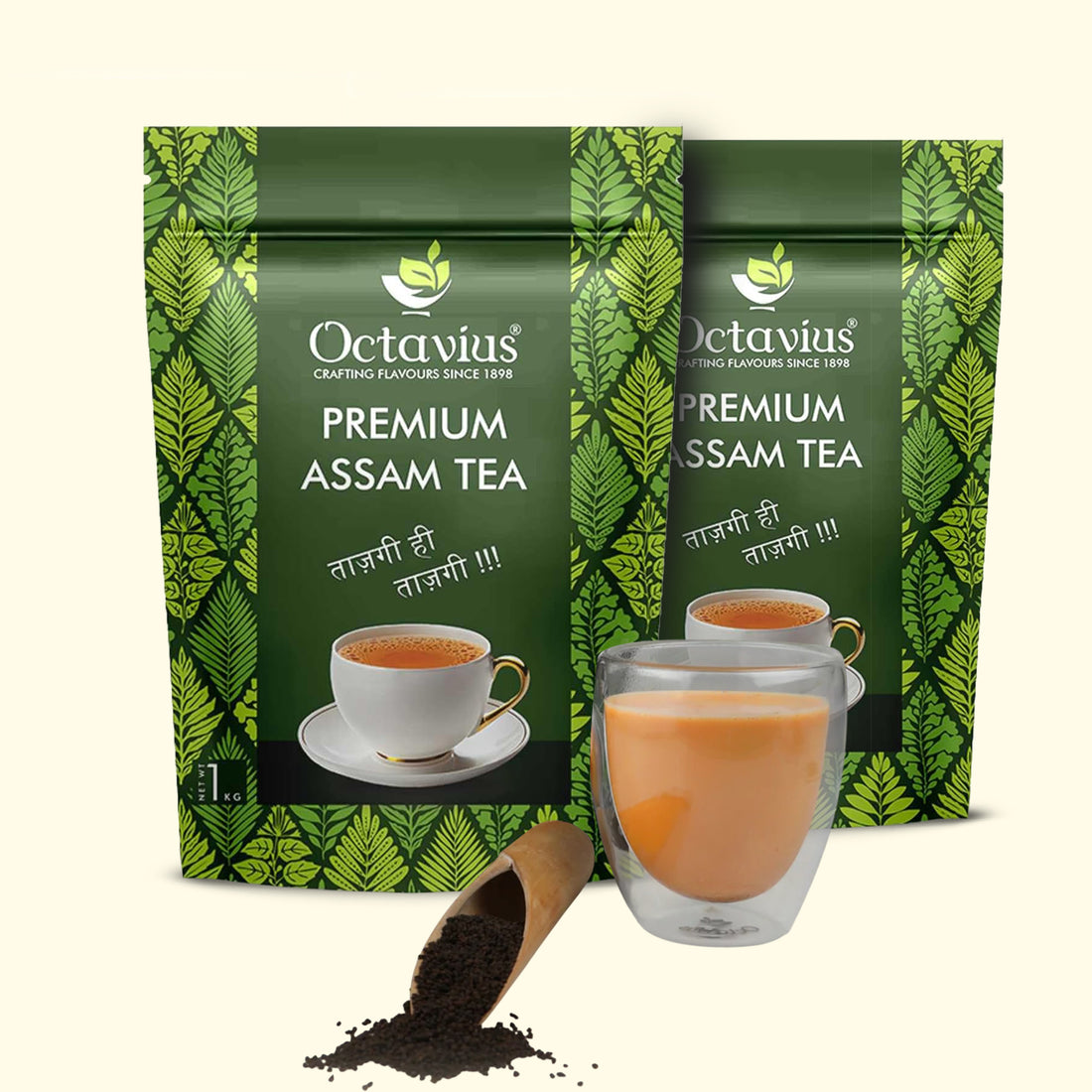
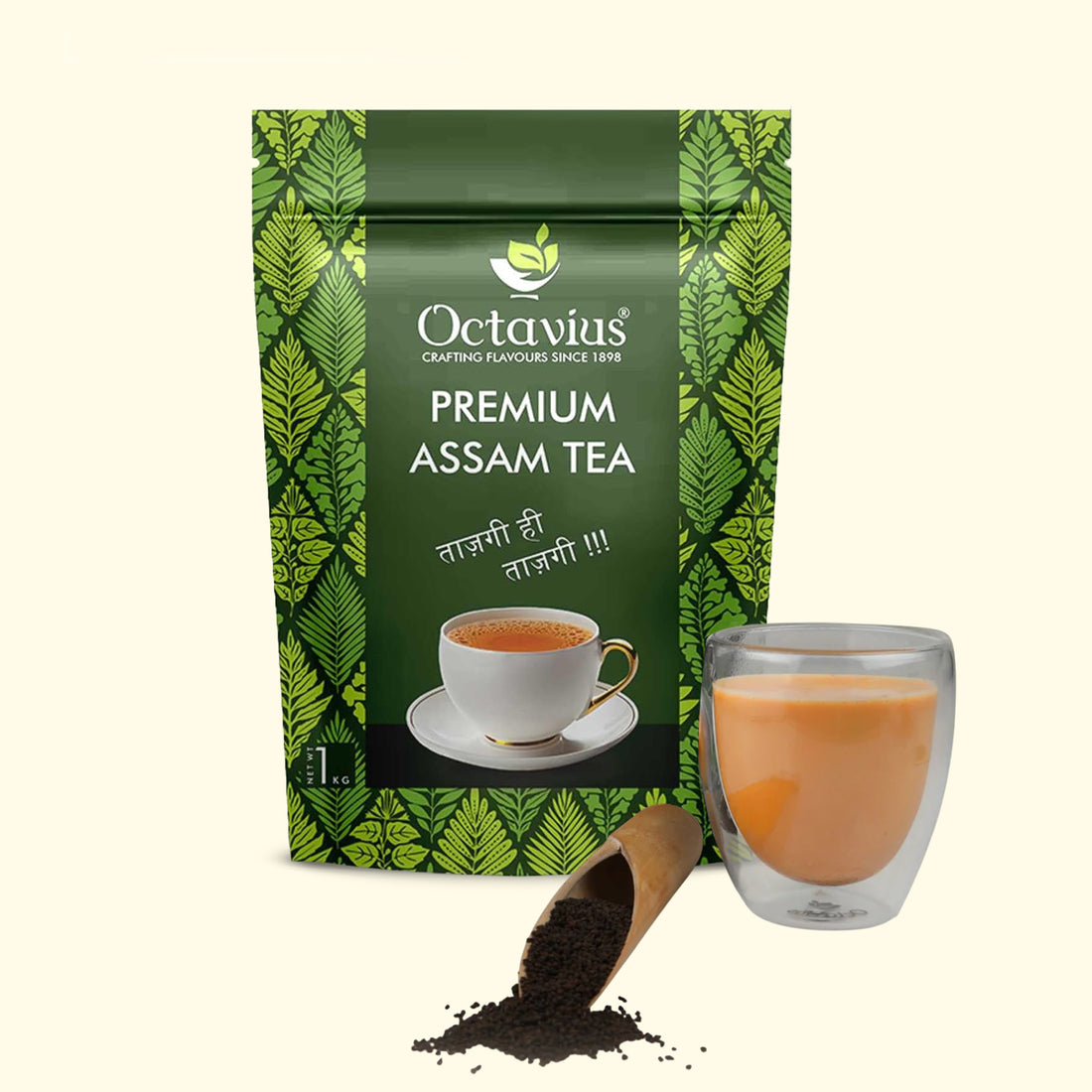 Vendor:Premium CTC Black Tea - 1Kg ( PACK OF 2 )1 Kg
- Regular price
-
₹678.00 - Regular price
-
₹980.00 - Sale price
-
₹678.00
Quick view
-
Gold CTC Chai - 1 Kg ( PACK OF 2 )
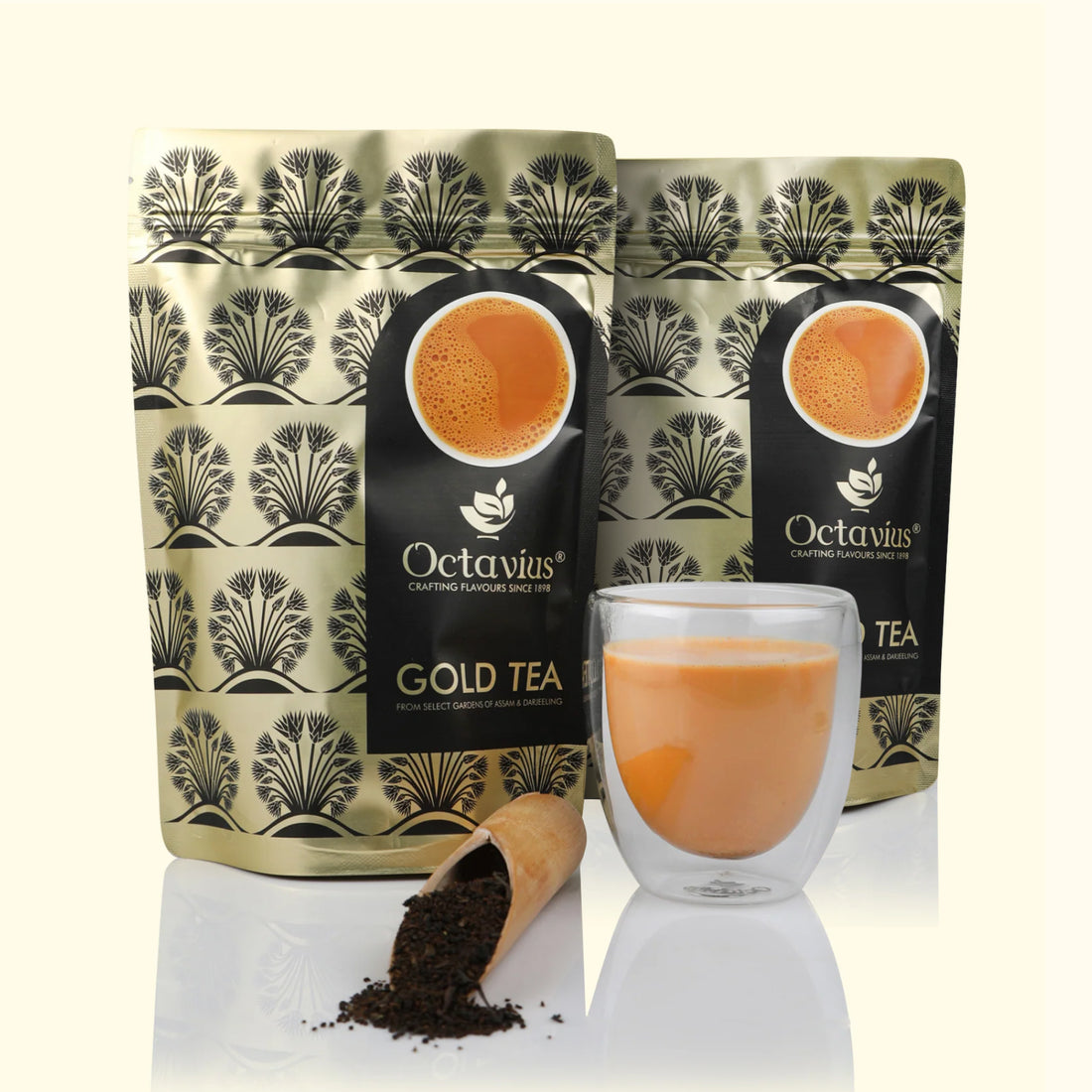
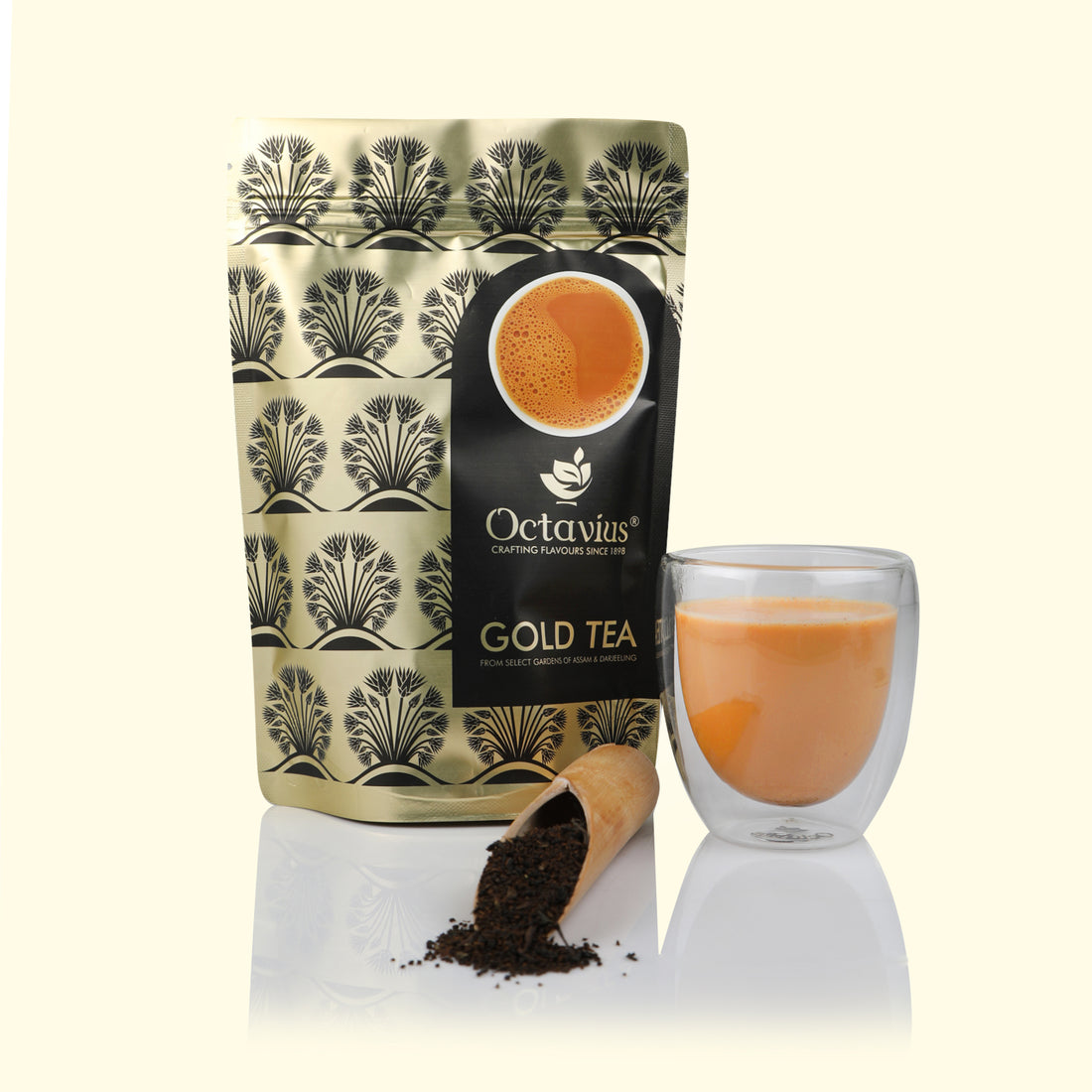 Vendor:Gold CTC Chai - 1 Kg ( PACK OF 2 )1 Kg
- Regular price
-
₹839.00 - Regular price
-
₹1,180.00 - Sale price
-
₹839.00
Quick view
-
Ayur Chai (With Eight Exotic Herbal Spices) - 250 Gms Jar ( PACK OF 2 )
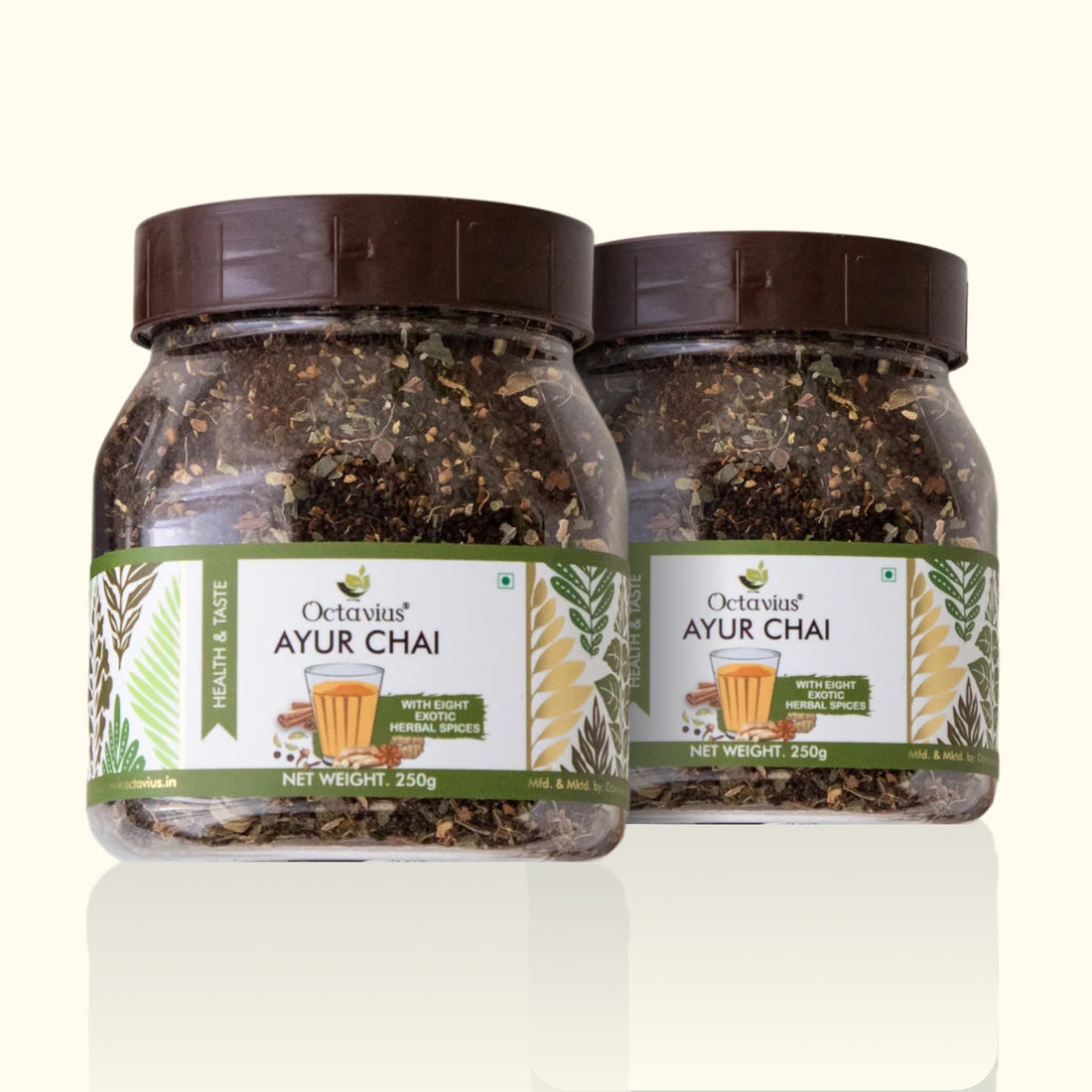 Vendor:Ayur Chai (With Eight Exotic Herbal Spices) - 250 Gms Jar ( PACK OF 2 )Octavius
- Regular price
-
₹480.00 - Regular price
-
₹600.00 - Sale price
-
₹480.00
BestsellerQuick view
-
CTC Masala Chai Loose leaf - 250 Gms Jar ( PACK OF 2 )
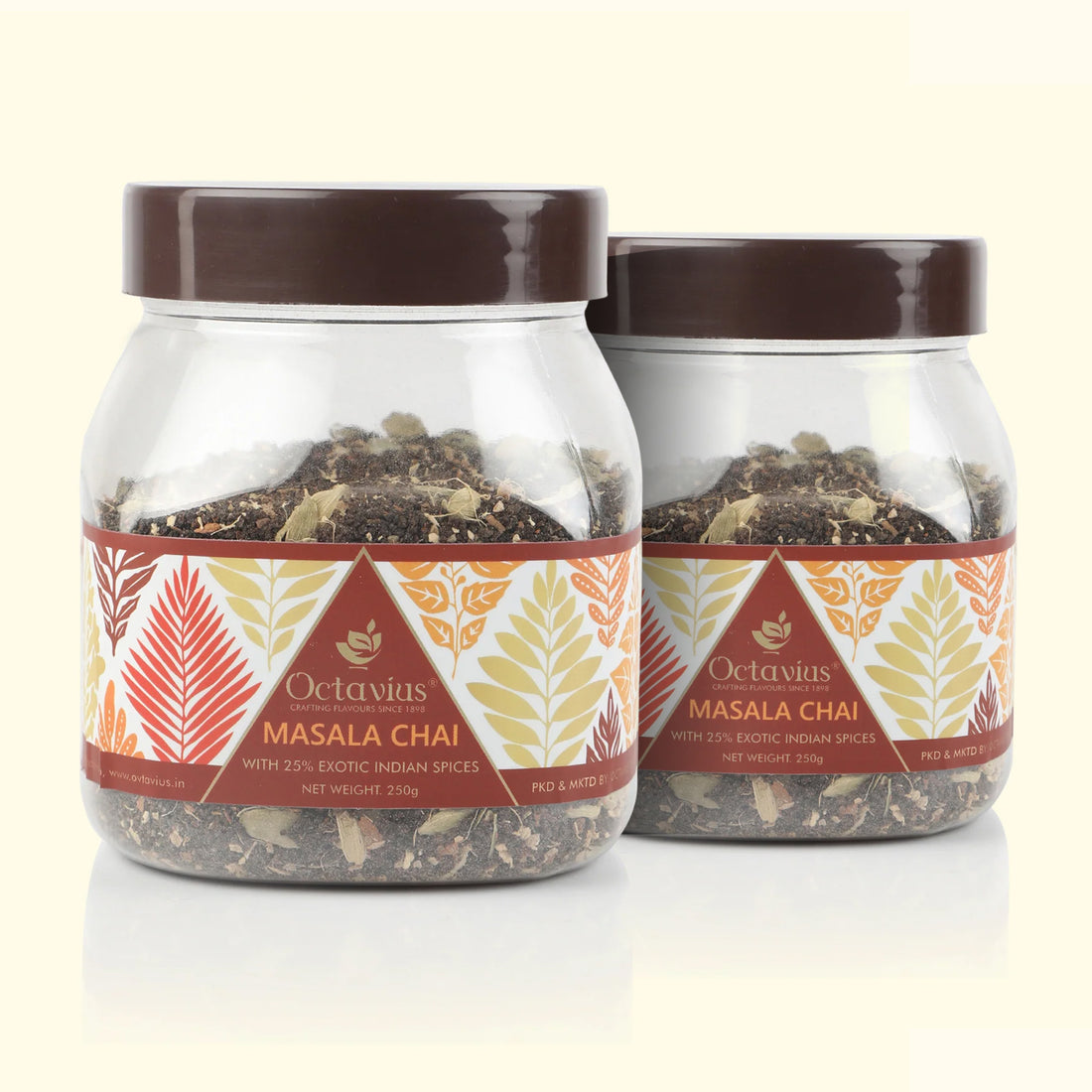 Vendor:CTC Masala Chai Loose leaf - 250 Gms Jar ( PACK OF 2 )250 Gms Jar
- Regular price
-
₹480.00 - Regular price
-
₹600.00 - Sale price
-
₹480.00
BestsellerQuick view
-
Kadak Assam CTC Black Tea Family Pack
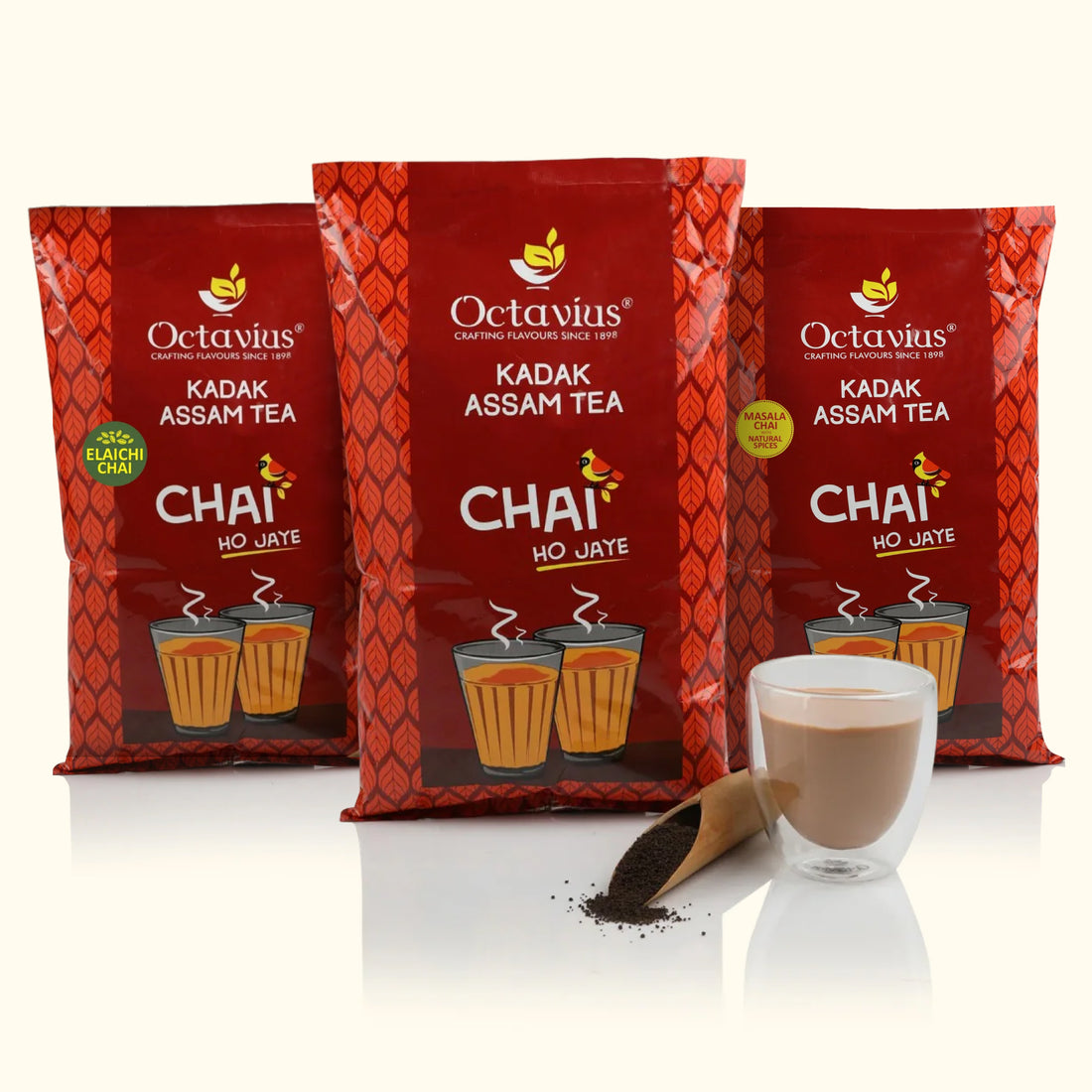 Vendor:Kadak Assam CTC Black Tea Family PackOctavius
- Regular price
-
₹1,088.00 - Regular price
-
₹1,280.00 - Sale price
-
₹1,088.00
Quick view
-
CTC Masala Chai Loose leaf - 2Kg
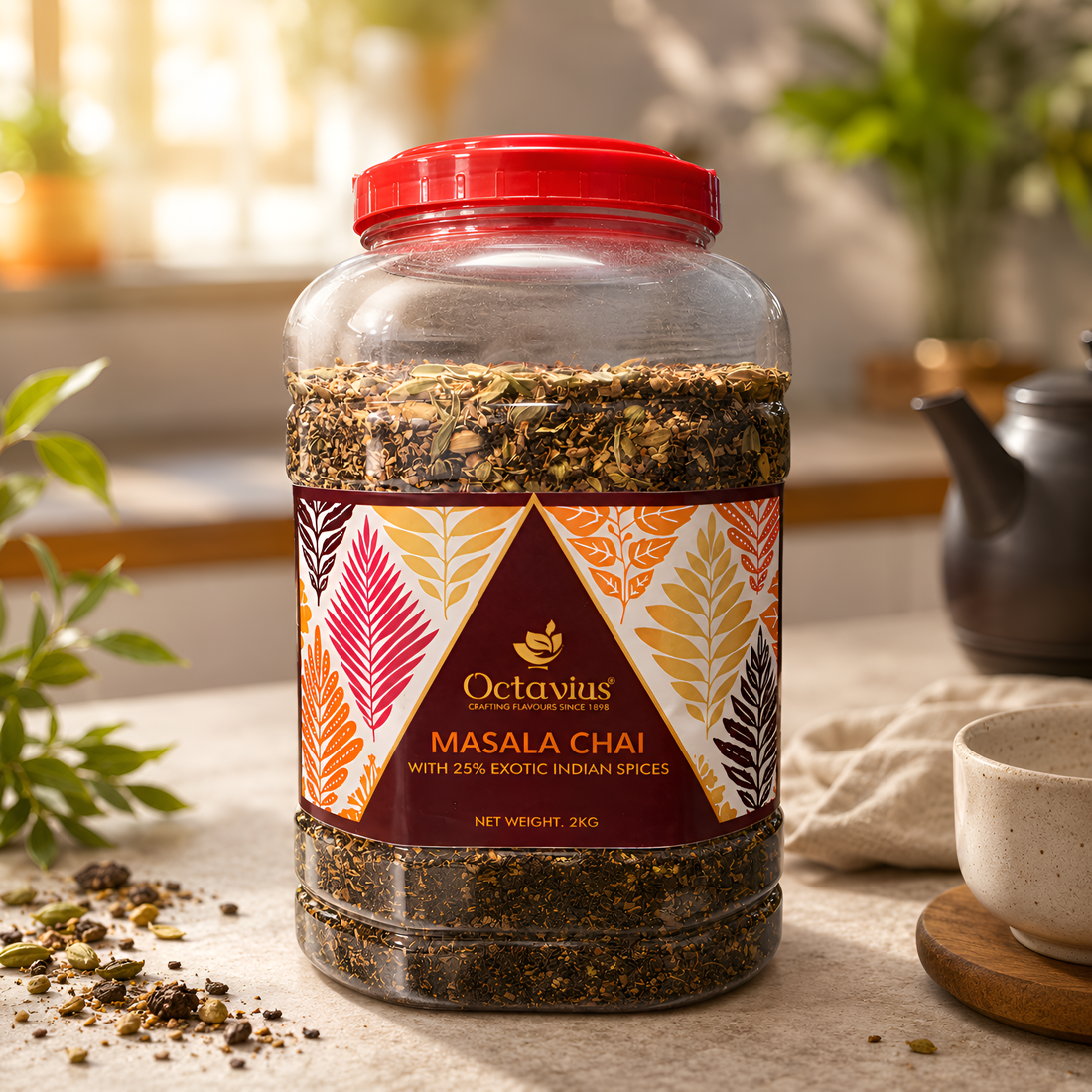
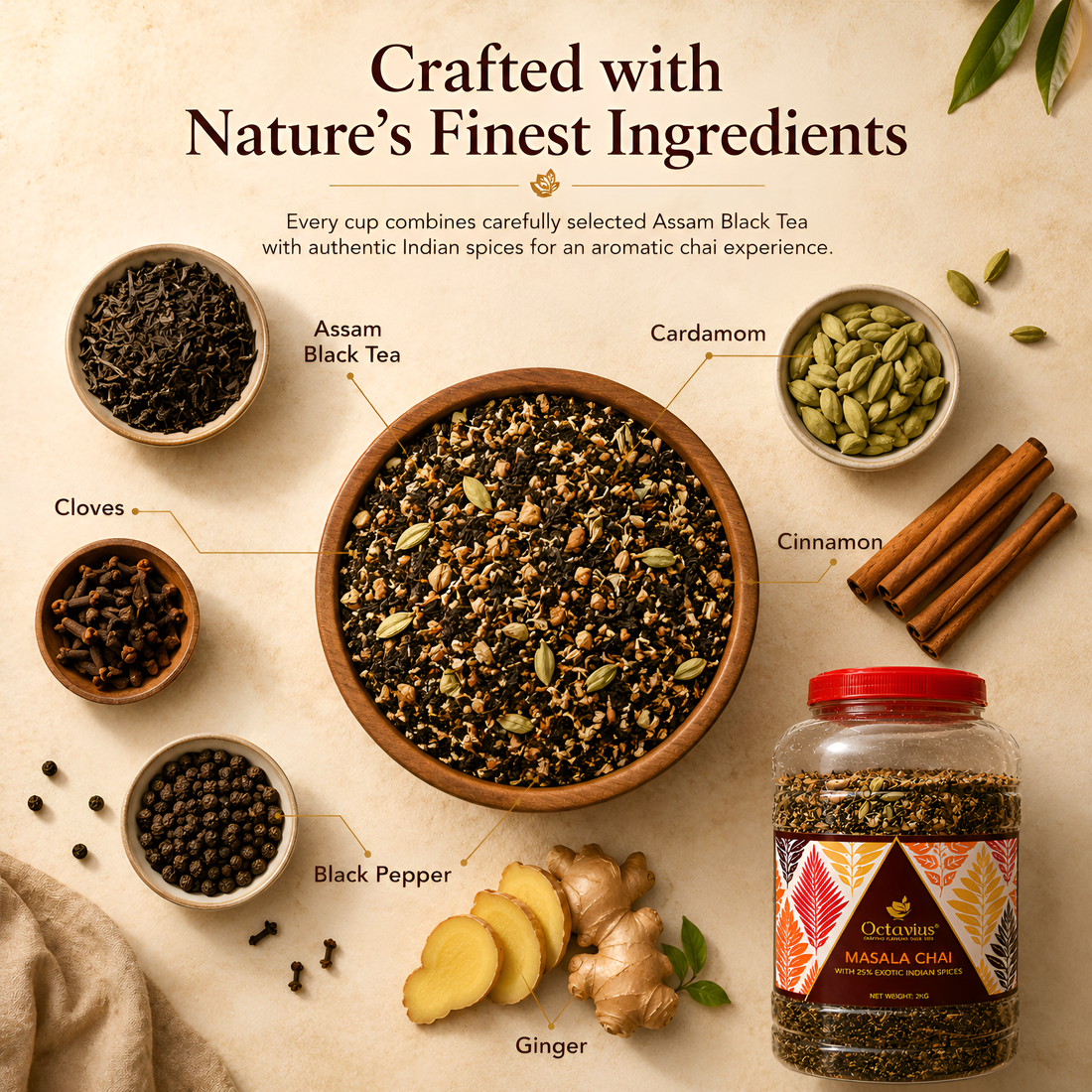 Vendor:CTC Masala Chai Loose leaf - 2Kg2Kg
- Regular price
-
₹1,400.00 - Regular price
-
₹2,400.00 - Sale price
-
₹1,400.00
BestsellerQuick view
Know More
The name CTC comes after Crush, Tear, Curl (CTC) – the method of processing this black tea, where tea leaves are passed through a series of cylindrical rollers with hundreds of sharp teeth that crush, tear, and curl the tea into small, hard pellets. CTC tea is hardier than its orthodox counterparts in texture and in sustenance, owing to its meticulous process of manufacturing. It is mostly sold loose in India. CTC tea is the popular choice in tea shops and domestic households for their preferred style of brew. It is normally brewed with milk and sweetened with sugar and emerges with a strong red colored brew. The addition of spices is also encouraged which results in the very intriguing original Indian blend of tea, Masala Chai. The spices used range from cardamom, cinnamon, whole cloves, cumin, and even ginger and nuts to stir up the most exotic mystic cuppa brew. A sip out of a cup of Masala chai creates an explosion of different flavours inside the mouth, thoroughly pampering the taste buds and leaving them confused.
CTC tea producing regions in India
One of the biggest contributors of CTC tea for the entire nation’s needs come from the tea gardens of Assam followed by the Dooars in West Bengal and from selected tea gardens in the slopes of the Nilgiri range in the South of India. A railway station at the foothills of the Dooars in Nagrakata is the lone connection between the isolated foothills and the rest of the world. It is from here that the entire CTC produce of Assam & Dooars tea estates is accumulated and sourced for distribution to different parts of the country as well as the world.
Processing of CTC tea
At our plantations, we make sure that we make only the best quality tea. The tea processing involves the following steps:
Plucking
The making of the tea starts with plucking. As true quality is essential in a good raw material (Tea Leaf), great emphasis is given to plucking, the apical parts of shoots consisting of 2-3 leaves and the terminal buds are nipped off in plucking.
Withering
The first step of processing is “withering” in the factory, in which freshly plucked leaf is conditioned physically, as well as, chemically for subsequent processing stages. This is one of the most important tea processing steps, as the desired quality in tea manufacturing is ensured by maintaining the desired level of withering. Leaves are spread on the troughs at a given thickness and the air is blown upwards from the bottom of the perforated bed.
Fermentation
The next step is fermentation and a great deal of attention is paid to regulate the temperature, humidity, and duration of fermentation to ensure that the flavour of the tea remains intact.
Firing/ Drying
The tea leaves are fired at an optimally regulated temperature, to get the best quality of our tea. We make sure that proper care is taken to not over-cook the leaves as the process of drying the produced tea is responsible for the addition of flavor to the tea.
Grading
Grading is done by sifting through meshes with a lot of care so that the teas are sorted into different shapes and sizes perfectly. CTC teas are generally graded into three broad categories, Leaf, Fanning, and Dust. The leaf grade or bolder CTC are graded in BOPL, BOPSM, and BP. The fanning is commonly graded in BPSM, PF, and OF. The Dust grades are PD and Dust. The price difference between the different grades is not much and BP and OF tend to command the highest prices.
Weighing and Packing
Close inspection is done while the teas are weighed and packed into tea chests or any other packaging as per the requirement.
CTC Tea – Strong, Bold, and Unmistakably Indian
Millions of people across India start their day only after the first drink of strong, aromatic chai. And that is possible only with the help of CTC tea, which stands for "Crush, Tear, Curl." This is a way of processing tea that makes the small, hard pellets you see in your favorite mix. At Octavius, we sell strong, consistent CTC tea that always makes a great cup of tea.
What Makes CTC Tea Special?
Unlike other teas that are very delicate, CTC tea powder is meant for strength. The crush-tear-curl technique is used to extract the best taste and color from the coffee, resulting in a deep red, rich tea that is best enjoyed with milk and sugar. This is why masala chai, cutting chai and every chai stand in India uses CTC tea.
CTC Tea Benefits – More Than Just a Morning Kick
Beyond its strong flavor, CTC tea benefits include a lot of vitamins that are good for your heart, help digestion, and boost your immune system. The strong drink also provides you with a continuous supply of caffeine which is excellent in keeping you alert throughout the day. With ginger and cardamom, as well as cloves it forms a relaxing tea that can treat the cold and the flu.
Types of CTC Tea – Something for Every Palate
We have different types of CTC tea, such as Kadak Assam CTC for people who like their tea very strong, Gold CTC Chai for a smoother but still strong cup, Kadak Elaichi CTC with a cardamom twist, and Kadak Masala CTC with a traditional, spicy chai taste. We also have Ayur Chai, which is a wellness focused tea made with eight unique herbal spices.
CTC Tea 1kg Price & CTC Tea Price – Honest Value
Our CTC tea 1kg price is for everyday tea drinkers, families or small tea businesses. Our CTC tea price range extends from budget friendly Kadak Assam CTC to luxurious Gold CTC. We also offer smaller tea pack sizes from 250g.
Make it strong. Put in your spices. Pour your milk. And enjoy tea the right way. The tea of choice in India is Octavius CTC.
FAQs
1. What is CTC tea and how is it different from orthodox tea?
2. What CTC tea varieties are available in this Octavius collection?
3. What flavor profile can I expect from CTC tea?
4. Is CTC tea best suited for traditional Indian chai preparation?
5. How should CTC tea be brewed for the richest taste?
6. Are there flavored or specialty CTC tea options available?
7. What makes Octavius CTC tea different from other brands?
8. Can CTC tea be used with milk, spices, and sweeteners?
9. How should I store CTC tea to preserve its freshness and aroma?
10. Are there gift packs or sampler options available in the CTC collection?